| Topic | Supported detail | Planning use |
|---|---|---|
| Burial rite | Barrow inhumation gave way to cremation in flat-grave cemeteries | Use the burial form first when deciding whether a site belongs to the Tumulus or the Urnfield tradition. |
| Period boundary | The change marks the Middle to Late Bronze Age transition | Treat the rite change as the marker between the two periods, not a single year. |
| Dating | Urnfield c.1300-750 BC; late Tumulus burials in the study sample are Bronze C, 14th century BC | Quote these as approximate ranges and expect regional variation. |
| Region | The burial-rite study covers southern Germany and adjacent areas | Anchor German examples in the south, and check regional publications for wider claims. |
| Hallstatt labels | Ha A and Ha B subdivide Urnfield; Ha C and D are the Iron Age Hallstatt culture | Read the letters carefully, because Ha A and Ha B are not Iron Age Hallstatt. |
The figures come from a Persée-hosted study of the change in burial practice and the History Files survey of the Urnfield culture.
The urnfield culture was a Late Bronze Age tradition in Central Europe, dated c.1300-750 BC, that placed cremated remains in urns in cemeteries instead of burying the dead under barrows.
The shift is the key to the whole topic, and it sits within the wider prehistoric Europe timeline. The sections below start with what the change means in practice and then explain why it happened and how it led into the Hallstatt culture.
What the shift from barrows to urn cemeteries changes
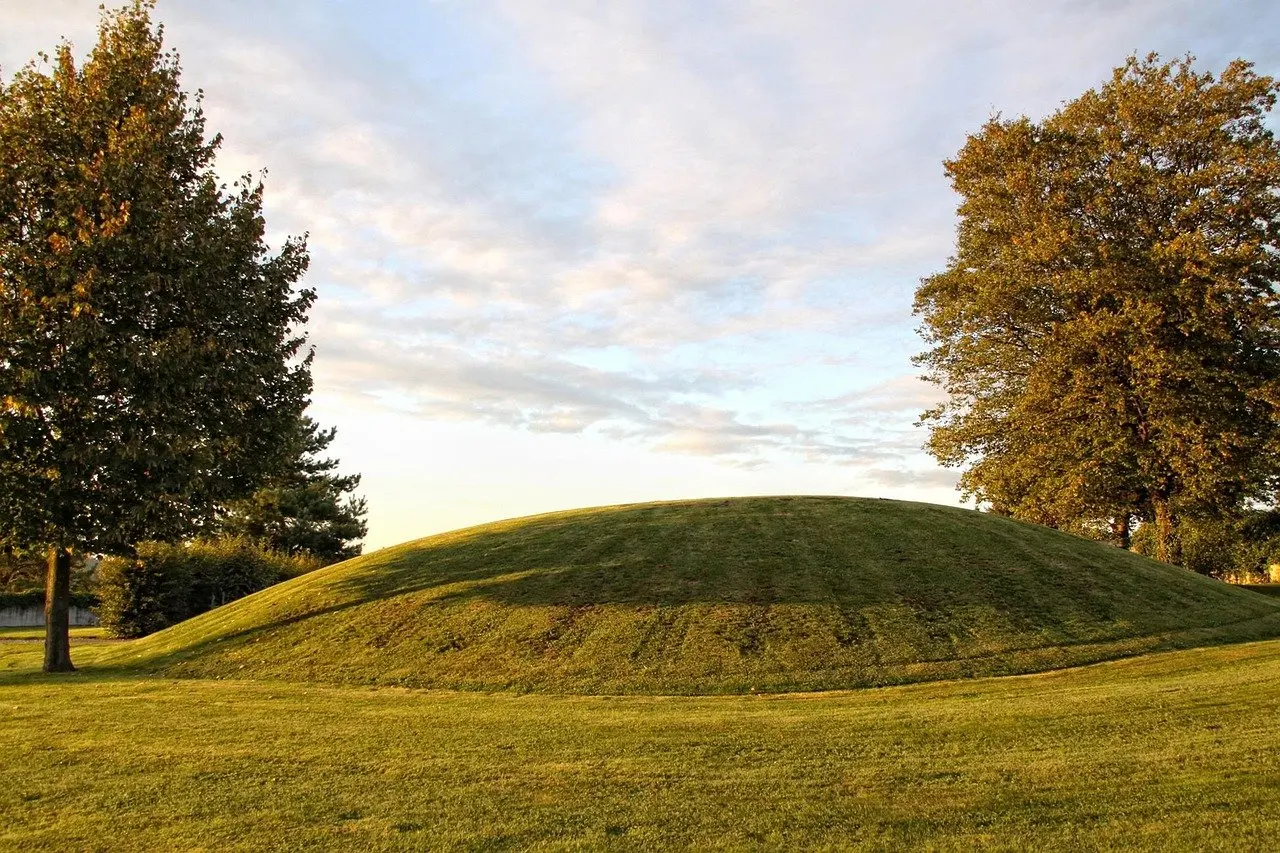
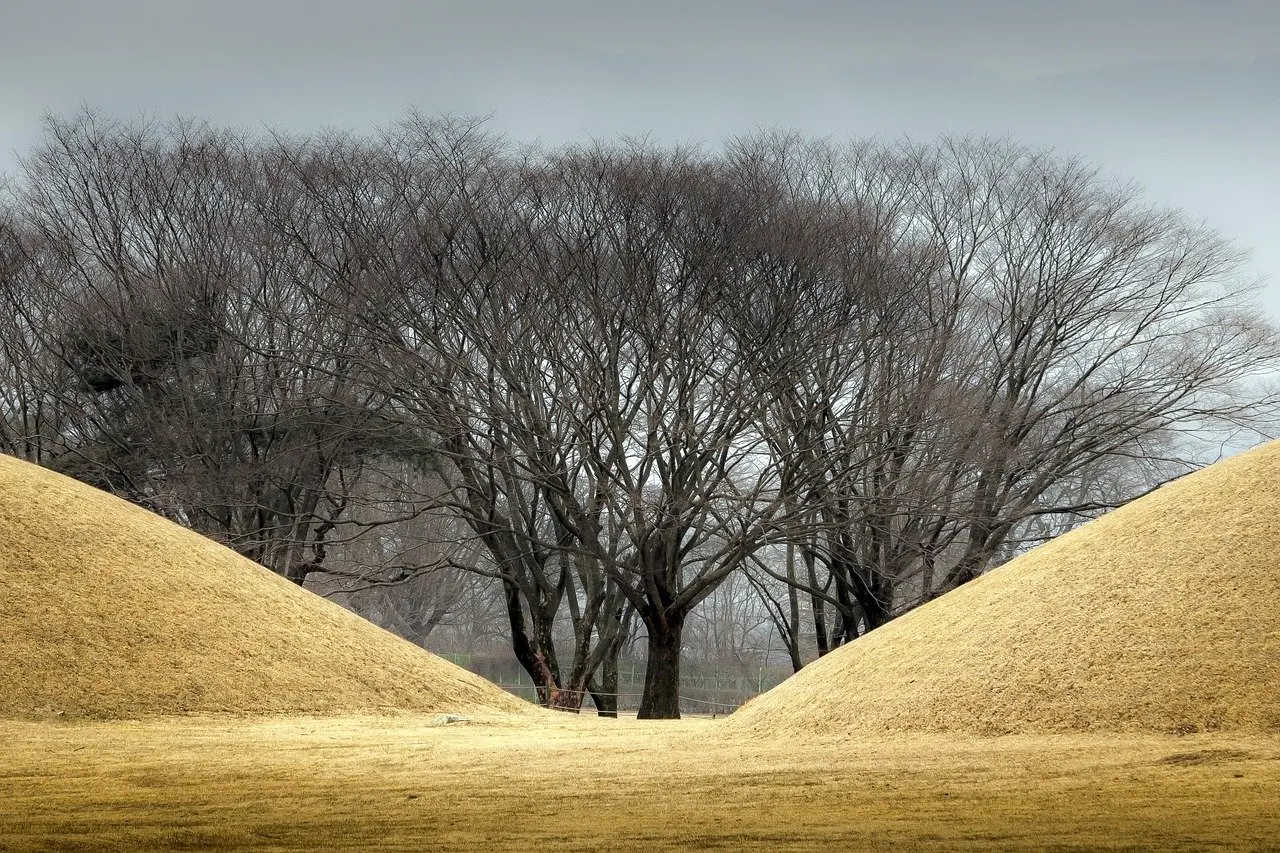
The Urnfield culture replaced the Tumulus culture, and the two names describe different ways of treating the dead. A study of the transition in southern Germany describes a development from inhumation burials in barrows to cremation burials in flat-grave cemeteries. The same study says this drastic change of burial practice marks the transition from the Middle to the Late Bronze Age.
Reading a site or a museum label
Burial form is the quickest practical clue to which tradition a find belongs to. These choices follow from the barrow-to-cemetery change:
- A barrow with an inhumation. This fits the Tumulus tradition, so a Middle Bronze Age attribution is the first one to test.
- A flat cemetery of cremation burials. This fits the Urnfield tradition, so a Late Bronze Age attribution is the first one to test.
- A cemetery spanning both. Burial grounds that run from late Tumulus into early Urnfield exist, so a single rite should not be used to date every grave in them.
Handling the dates
Date ranges for these cultures are conventional and approximate. The Persée study drew on more than 3000 burials of the late Tumulus culture, dated to Bronze C in the 14th century BC, to examine the change in southern Germany and adjacent areas. Because the end of one culture and the start of the next overlap in the record, quote ranges rather than sharp cut-off years, and prefer the burial evidence when a label seems vague.
What the Urnfield culture was and where it spread
History Files calls the Urnfield culture the earliest recognisably proto-Celtic group in Europe. The label is a practical one for a Late Bronze Age society that, in the same source’s account, had a well-developed warrior stratum. The name comes from the cremation remains that archaeologists found in large urns.
The best-anchored geography in the evidence is Central Europe, and southern Germany in particular. The burial-rite study covers southern Germany and adjacent areas, and a Late Bronze Age Urnfield sword dated c.1300 BC came from a burial at Nördlingen in Bavaria. Anyone who needs a precise map of the culture’s limits should check regional heritage office publications, because a single sword or study does not define the full extent.
Other Bronze Age groups have their own guides, including the unetice culture and the nordic bronze age. Comparing them shows how different Bronze Age burial and settlement traditions could be at the same general stage of European prehistory.
Grave goods and excavated cemeteries
Urnfield cemeteries are the main source for the culture’s burial customs, and individual graves show how varied the goods could be.
Urns and cremated remains
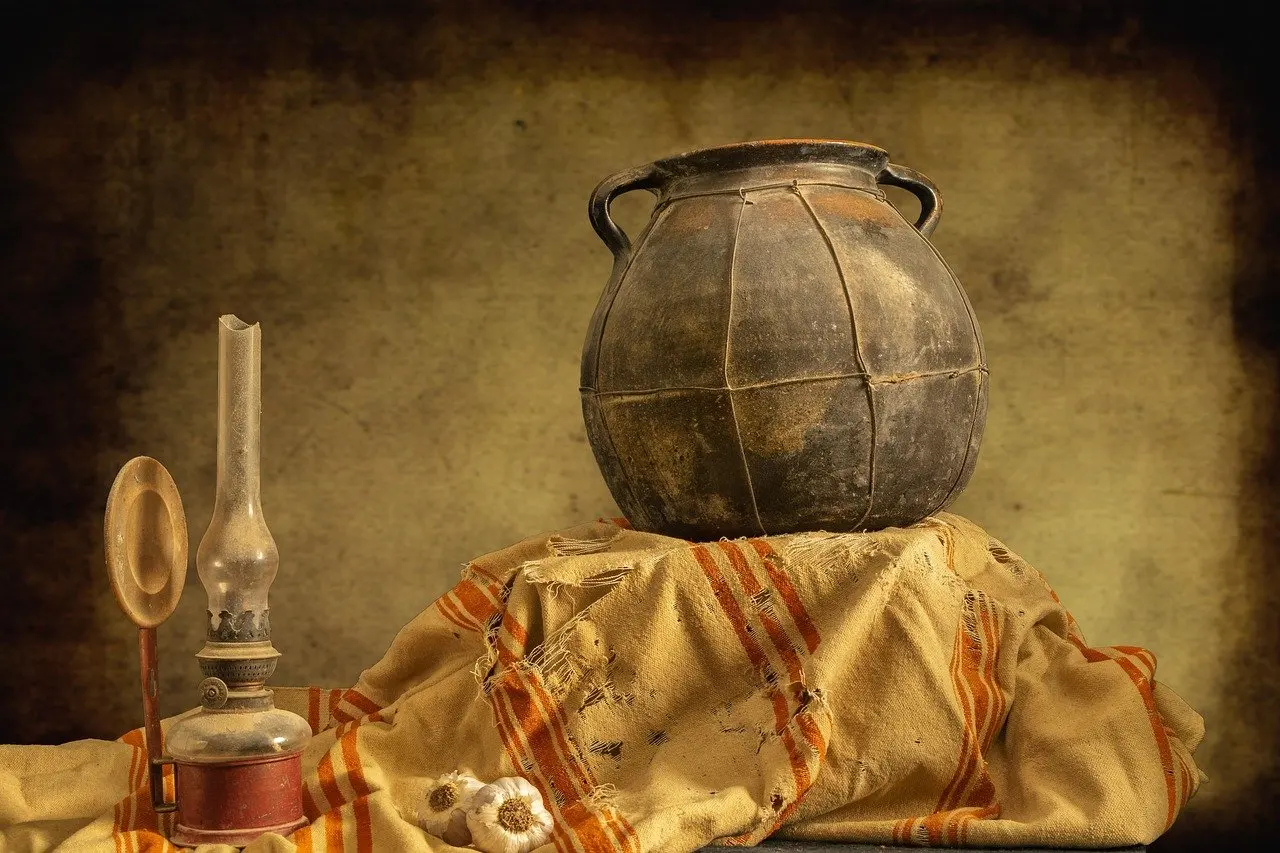
The defining object is the urn that holds the cremated remains, which is why the culture carries its name. The detailed evidence supplied here supports only that the urns were large and held cremation remains. Treat any claim about standard urn shapes or decoration as something to confirm in a museum catalogue or regional report.
Balatonfüzfő
An excavation report on the Balatonfüzfő cemetery describes five graves of a late Tumulus to early Urnfield period cemetery, dated Br D2 to Ha A1. It is a useful example of a burial ground that sits across the cultural boundary. The richest grave, number 6, held an adult male buried with his weapons, including a uniquely decorated knife whose grip ended in a bird’s head. Graves number 2 and number 4 contained female burials with jewellery.
These graves suggest a pattern worth watching for: weapons with an adult male in one grave and jewellery with women in others. One small cemetery cannot prove a rule for the whole culture, so use the pattern as a prompt to look at the grave goods rather than as a classification test.
The Nördlingen sword
History Files describes the Nördlingen sword as a perfect Late Bronze Age sword of the Urnfield culture, discovered as part of a burial and dated c.1300 BC. Together with the Balatonfüzfő weapons, it supports the picture of a society in which warriors were prominent enough to be recognisable in the grave record.
Why cremation replaced barrow inhumation
The evidence ties the change of rite to a wider cultural replacement rather than to one stated cause. The Persée study calls the change epoch-making and uses the burial evidence to track it in detail.
That leaves a clear limit on interpretation. Cremation followed the arrival of a new cultural grouping and coincided with upheaval, but no single motive, such as belief, practicality or social change, is established by these facts. Avoid presenting any one explanation as settled. The firmer statement is that the mound-and-inhumation tradition gave way to cremation in flat cemeteries as the Middle Bronze Age ended and the Late Bronze Age began.
From Urnfield to the Hallstatt culture
The Urnfield culture does not become the Hallstatt culture overnight, and the terminology is the main trap. History Files credits Paul Reinecke with classifying the Urnfield culture into the sub-groups Ha A and Ha B. The Iron Age Hallstatt culture itself, labelled Ha C and D, succeeded it, and the two are not to be confused.
The dating makes the link clear. Urnfield runs to about 750 BC in the History Files range, and the Hallstatt letters Ha C and D follow it. The Balatonfüzfő cemetery dates from Br D2 to Ha A1, which shows that the Ha lettering was already in use for the earliest Urnfield phases.
- Ha A or Ha B on a label. Read it as Urnfield, still in the Late Bronze Age tradition of cremation burial.
- Ha C or Ha D on a label. Read it as the Iron Age Hallstatt culture that succeeded Urnfield.
- Br D2 to Ha A1 on a label. Read it as the earliest Urnfield, overlapping with the late Tumulus tradition.
Frequently asked questions
What gave the Urnfield culture its name?
The name comes from the cremation remains that archaeologists found in large urns, according to History Files.
Is the Urnfield culture the same as the Hallstatt culture?
No. Ha A and Ha B are sub-groups of Urnfield, while the Iron Age Hallstatt culture, Ha C and D, succeeded it, as set out by History Files.
Is the Urnfield culture considered proto-Celtic?
History Files labels it the earliest recognisably proto-Celtic group in Europe. Treat this as a descriptive label rather than a settled identification of any single people.
How early is the late Tumulus culture in the burial-rite study?
The late Tumulus burials in the Persée study belong to Bronze C, in the 14th century BC, according to the study of the burial-rite change.