Bronze objects in Denmark pose a puzzle: the Nordic Bronze Age flourished in a country with no metal sources of its own. The answer is imported copper and tin, which local smiths recycled repeatedly.
The sections below correct the most common misunderstandings about dating, metal, survival and rock art. For the wider sequence, see the prehistoric Europe timeline.
Dating and defining the Nordic Bronze Age
The Nordic Bronze Age is dated through the phases of its metalwork. A study reported by ScienceDaily places the earliest Nordic Bronze Age at 2000-1700 BC, when metal was in use and available. It places a later “breakthrough” period, marked by highly sophisticated bronzework, at 1600-1500 BC.
These are named phases, not one tidy start and end. Quote them as anchor points. The earliest phase is when metal first becomes a presence in the region. The breakthrough phase is when the craftsmanship stands out.
Three features set the period apart in the evidence that survives. Its bronzework was sophisticated. That bronze depended on metal brought in from outside. It also left a rich pictorial record in carved rock, notably at Tanum in Sweden. The table separates those points from assumptions that often travel with them.
| Common assumption | What the evidence supports | Planning use |
|---|---|---|
| One date range defines the period | Earliest phase 2000-1700 BC; breakthrough bronzework 1600-1500 BC | Cite phases by name instead of stretching them into a single span. |
| Fine bronzework means local copper | Denmark has no metal sources of its own; copper and tin came from Britain and Central Europe | Treat Nordic bronzework as evidence of exchange, not of local mining. |
| Surviving bronze equals the metal supply | Smiths repeatedly hacked up imported and local objects and recast them into new local products | Expect the surviving objects to undercount what circulated. |
| Rock carvings are mere decoration | Tanum carvings range across ships, warfare, farming, animals and ritual | Use them as scene evidence for how people pictured their world. |
The dates, metal sources and recycling come from the ScienceDaily report on the Danish metal study, and the carving subjects from a description of Tanum’s Bronze Age rock carvings.
Metal without mines
Denmark has no metal sources of its own, so every bronze object made there began as imported material. This is the central fact of the Nordic Bronze Age, and the main reason the region counts as part of wider Bronze Age exchange networks.
Imported copper and tin
Bronze needs copper and tin. The ScienceDaily report on the Danish study describes both as supplied from Britain and Central Europe. Those two areas are therefore the exchange partners that the metal evidence itself points to. A reader who wants to know who the Nordic region traded with should start from that finding. It rests on measured chemistry in the objects, not on guesswork about routes.
How the study reached its conclusion
The authors performed isotope and trace-element analyses on 210 Bronze Age artefact samples, predominantly axeheads. According to the same report, that sample is about 50% of the known Danish metal objects of the period. A sample of that share lends the conclusions weight. Its emphasis on axeheads means the picture is strongest for that object type.
Recycling blurs the trail
Smiths in early Scandinavian bronze production repeatedly hacked up imported and local metal objects and recast them into new local products. For anyone tracing trade, this has a practical consequence. A finished object can mix metal from more than one origin, and an old import may reappear as a new local piece. The chemistry therefore shows where metal came from, but it does not turn each object into a simple receipt for one shipment.
Beyond metal
Metal is not the only trace of contact. The Egtved Girl burial, bronze lurs and amber are the finds usually paired with the Nordic region in discussions of Bronze Age exchange. Their stories add colour to the picture. The metal analysis remains the firmest way to show that a region without copper took part in that exchange.
Why the record looks so rich
The Nordic Bronze Age appears rich in finds partly because durable things last and partly because of what researchers have sampled. A rich-looking record is not the same as a complete one. Three points explain most of the impression.
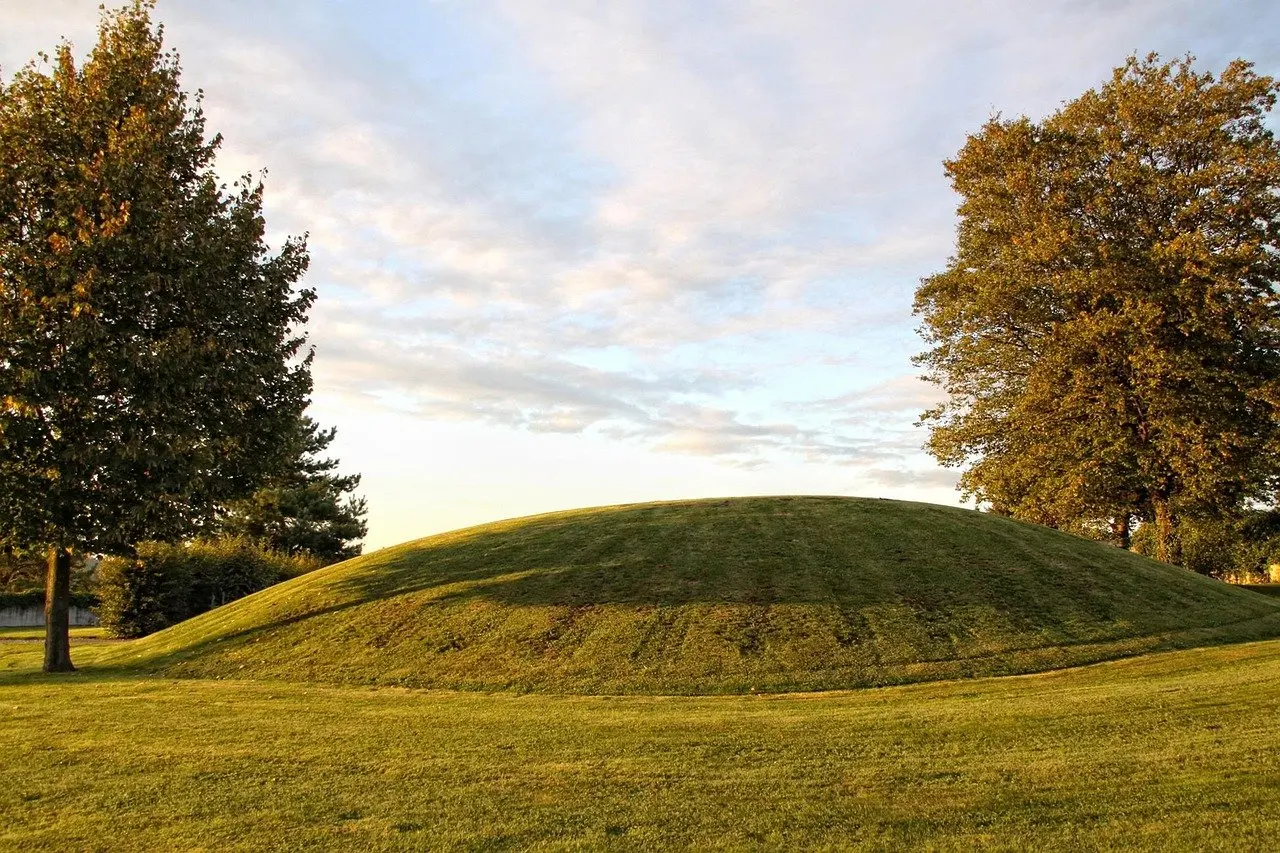
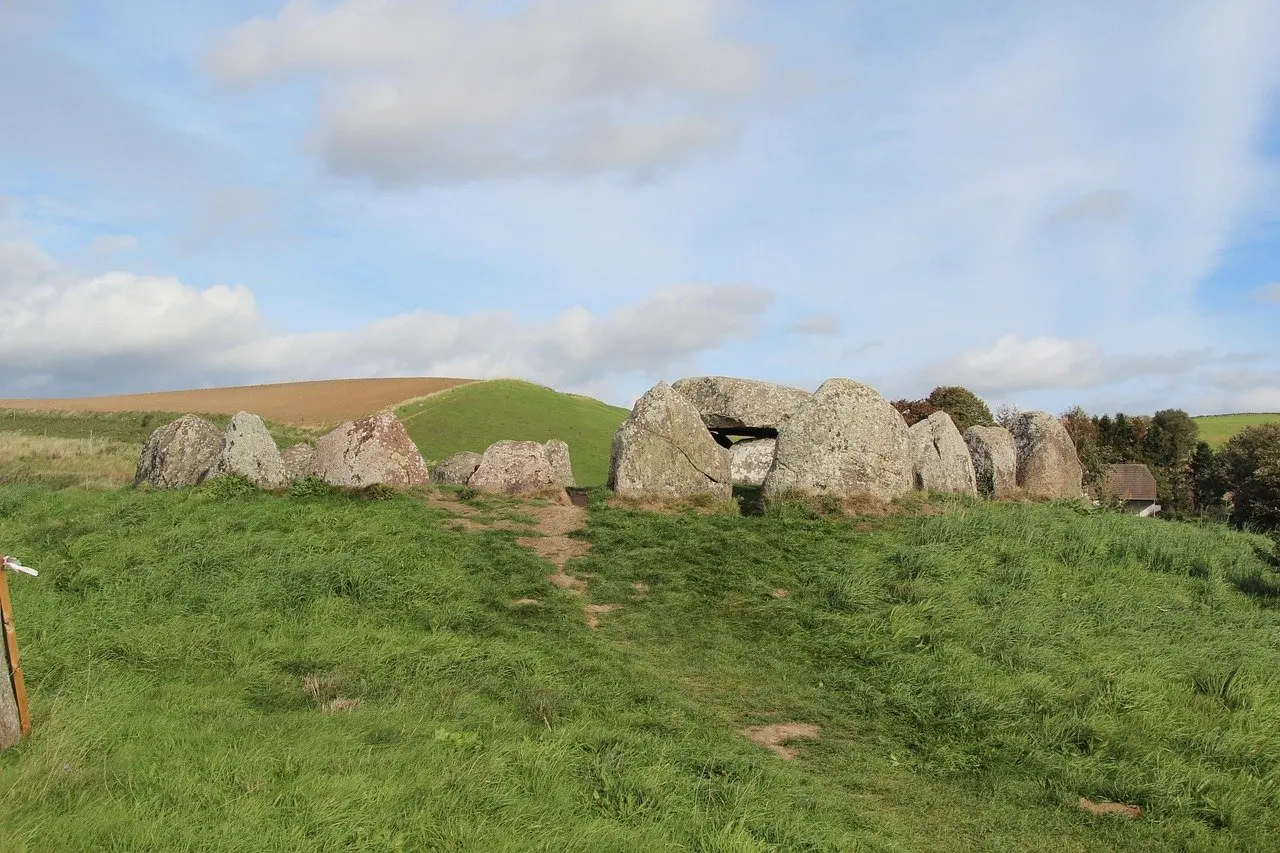
- Stone outlasts most materials. Stone cairns and dolmen burial mounds around Tanum are still visible and accessible today, according to the Tanum description. Monuments in rock and earth stay on the landscape in a way that most everyday objects do not.
- Metal was reused, not just discarded. Because smiths hacked up and recast objects, some of the metal that once existed went into new products. The surviving bronzes are a selection, and the selection favours what was not melted down.
- Analysis has concentrated on one object type. The isotope study leaned on axeheads, so published conclusions about supply speak most clearly for them.
The practical judgement is to read the record as a well-preserved sample, not a full inventory. When someone claims the period was unusually wealthy because so much survives, ask what survives, in which material, and who has analysed it.
The Tanum rock carvings
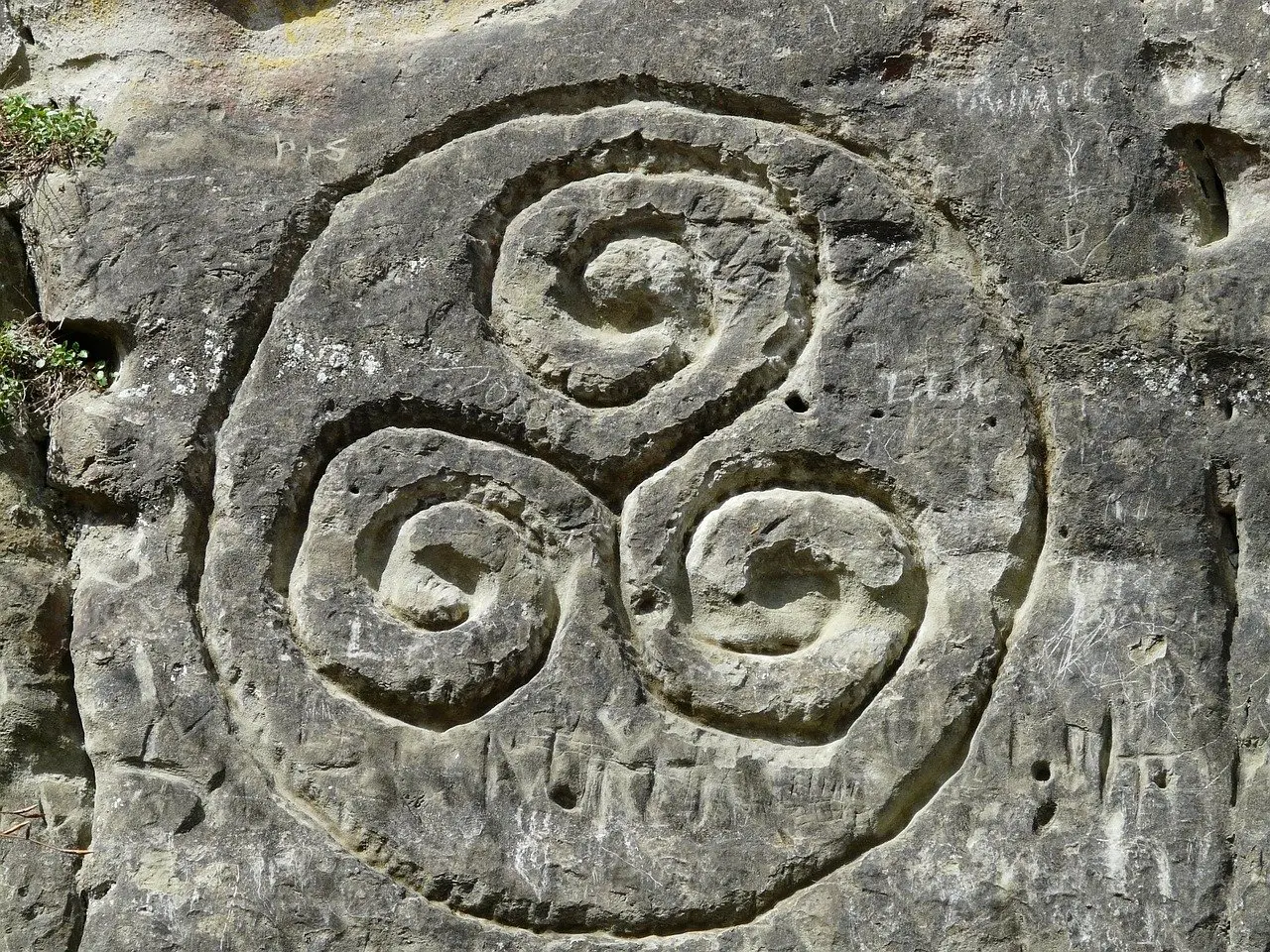
The Tanum rock carvings in Bohuslän, Sweden, are described as a UNESCO cultural heritage site of Bronze Age Tanum, and they are the most direct picture the Nordic Bronze Age left of itself. Their subjects range from ships, warfare and farming to animals and ritual.
Where the carvings sit also matters. The coastline of the Bronze Age was much higher than it is today. The carved rock that now lies inland therefore stood near the water when the images were made, which fits the prominence of ships among the subjects.

Reading ships, farming and ritual
The subject range is the key to using the carvings well. Ships suggest a society that pictured travel by water. Farming and animals show everyday life, and warfare and ritual show how people represented conflict and belief. Treat each category as a window on the people who made the images.
Caution applies to one inference. The carvings show that ships mattered to the carvers, but they do not by themselves prove which routes carried copper and tin. The metal chemistry supplies that evidence, and the carvings supply context for it.
Where it sits in the wider sequence
Because Central Europe supplied part of the Nordic region’s metal, its southern neighbours are part of the story. The urnfield culture belongs to the Central European Bronze Age sequence, and the later hallstatt culture follows in the same wider framework. Reading them alongside the Nordic evidence shows how regions with and without their own metal were linked.
Frequently asked questions
| Question | Answer |
|---|---|
| When was the Nordic Bronze Age? | The earliest phase is dated to 2000-1700 BC, and a later breakthrough phase of sophisticated bronzework to 1600-1500 BC, according to ScienceDaily’s report on the Danish metal study. |
| Did Denmark have its own copper or tin? | No. Denmark has no metal sources of its own, and the metal came from Britain and Central Europe. |
| How much Danish metalwork was analysed? | The study covered 210 samples, mostly axeheads, about 50% of the known Danish metal objects of the period. |
| What do the Tanum carvings depict? | Ships, warfare, farming, animals and ritual, as described in the Tanum summary. |