| Topic | Supported detail | Planning use |
|---|---|---|
| Date span | c. 1300–500 BCE overall; Hallstatt A and B 1300–800 BCE with cremation burial; Hallstatt C and D 800–500 BCE with inhumation | Check which phase letters a source means before comparing dates between articles or museum labels. |
| Salt | Abundant in the region because of nearby salt mines and traded over long distances | Treat salt as the economic base when explaining why wealth gathered in certain places. |
| Elite burials | Large tumuli holding weapons, chariots and jewellery; chiefs buried with four-wheeled carts and other costly goods | Read the graves as evidence of rank and trade contacts, not as a sample of ordinary life. |
| Hill forts | Hill forts and settlements arose along trade routes from Spain to Hungary | Place a site such as the Heuneburg inside a network, not as an isolated stronghold. |
| Iron | Relatively rare during the Hallstatt period | Do not read the label Early Iron Age as a sign that ironwork was everyday. |
The figures above follow the EBSCO research starter on the Hallstatt culture and the Archaeology Magazine encyclopedia entry.
The Hallstatt culture was an early Iron Age culture of Central Europe, dated roughly 1300–500 BCE, whose elites drew wealth from salt and were buried in princely tumuli.
To see where it sits among neighbouring periods, use the prehistoric Europe timeline. The sections below start with what the evidence means for reading the culture, then explain the salt, graves and hill forts behind it.
Salt and the rise of elites
Salt gave the Hallstatt region something other communities wanted. Archaeology Magazine notes that salt was abundant in the region because of nearby salt mines, and that it was among the goods traded over long distances. The EBSCO research starter adds that Mediterranean goods were paid for with tin, copper, hides, textiles, amber and salt.
That trade is the best single explanation the evidence offers for why a few people could be buried so lavishly. A resource that others needed, and that could be carried far, creates a chance to control supply and collect imports. The pattern fits the idea that one resource economy produced the first European elites of the Iron Age, although the sources describe the pieces rather than a single proven chain of cause.
The mine and the cemetery
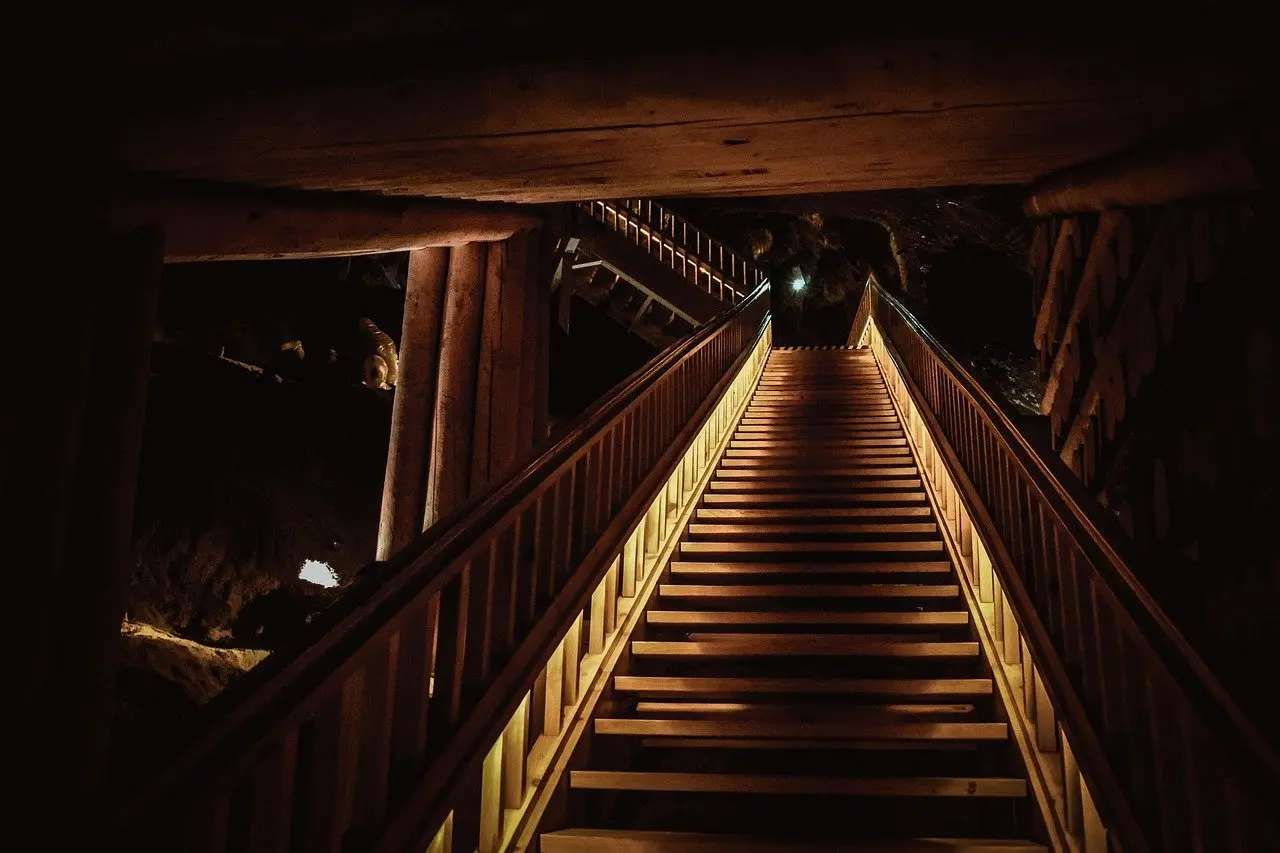
A Lohi Journal guide describes Hallstatt as home to the world’s oldest salt mine, active for at least 7,000 years. The culture’s span of several centuries is therefore only one chapter in a much longer mining story. The same site is also known for its cemetery, where, according to EBSCO, nearly 1,000 graves were excavated in 1846.
What this means when you read about the culture
- Start with salt as the economic anchor. When a text explains why wealth clustered in particular places, check whether it connects the pattern to salt and long-distance exchange before reaching for other explanations.
- Separate the mine from the culture. A mining history of at least 7,000 years means a date for the mine and a date for the Hallstatt culture are different questions.
- Use trade routes to understand site placement. Hill forts and settlements arose along the routes, so a map of sites is also a map of exchange.
The salt story leads directly to the burials, because the clearest sign of concentrated wealth is what was placed in the ground.
Princely graves and what they contain
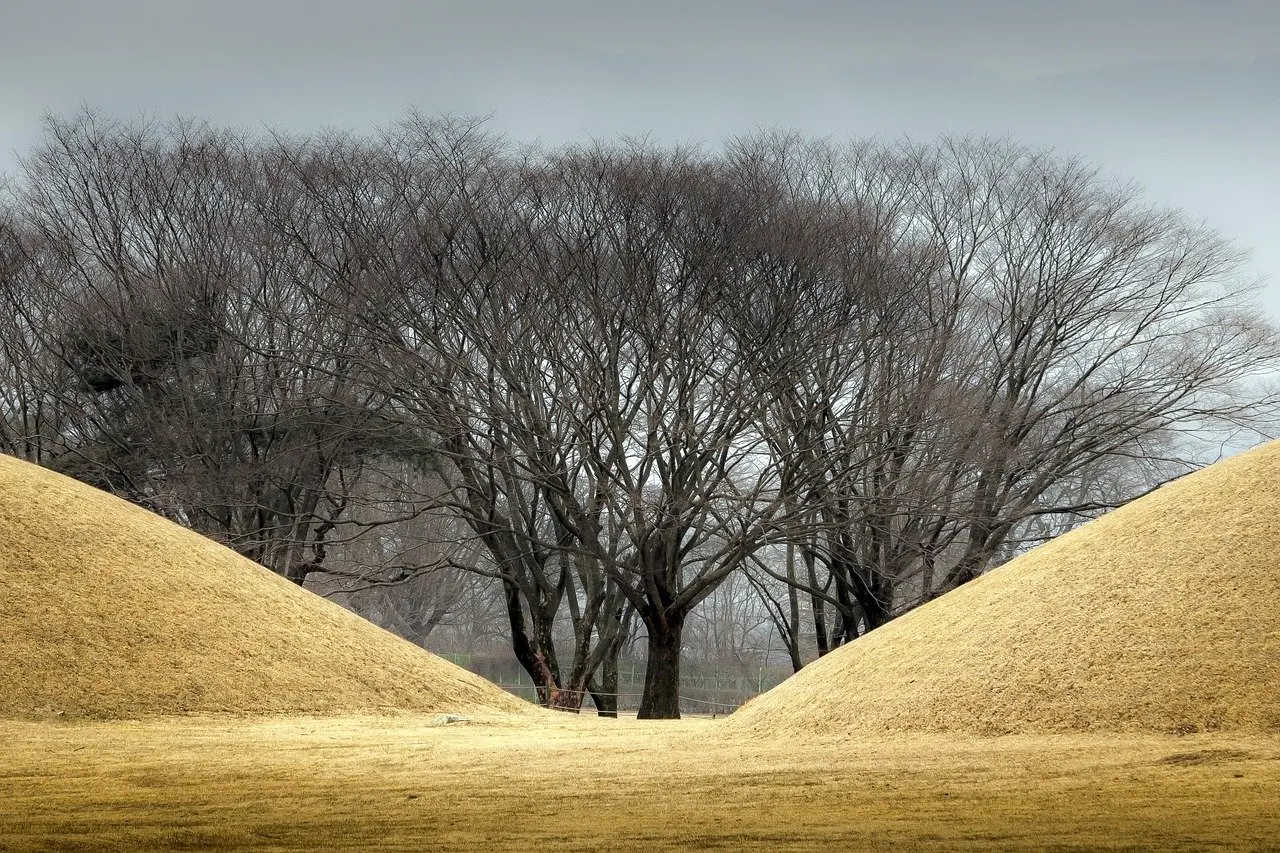
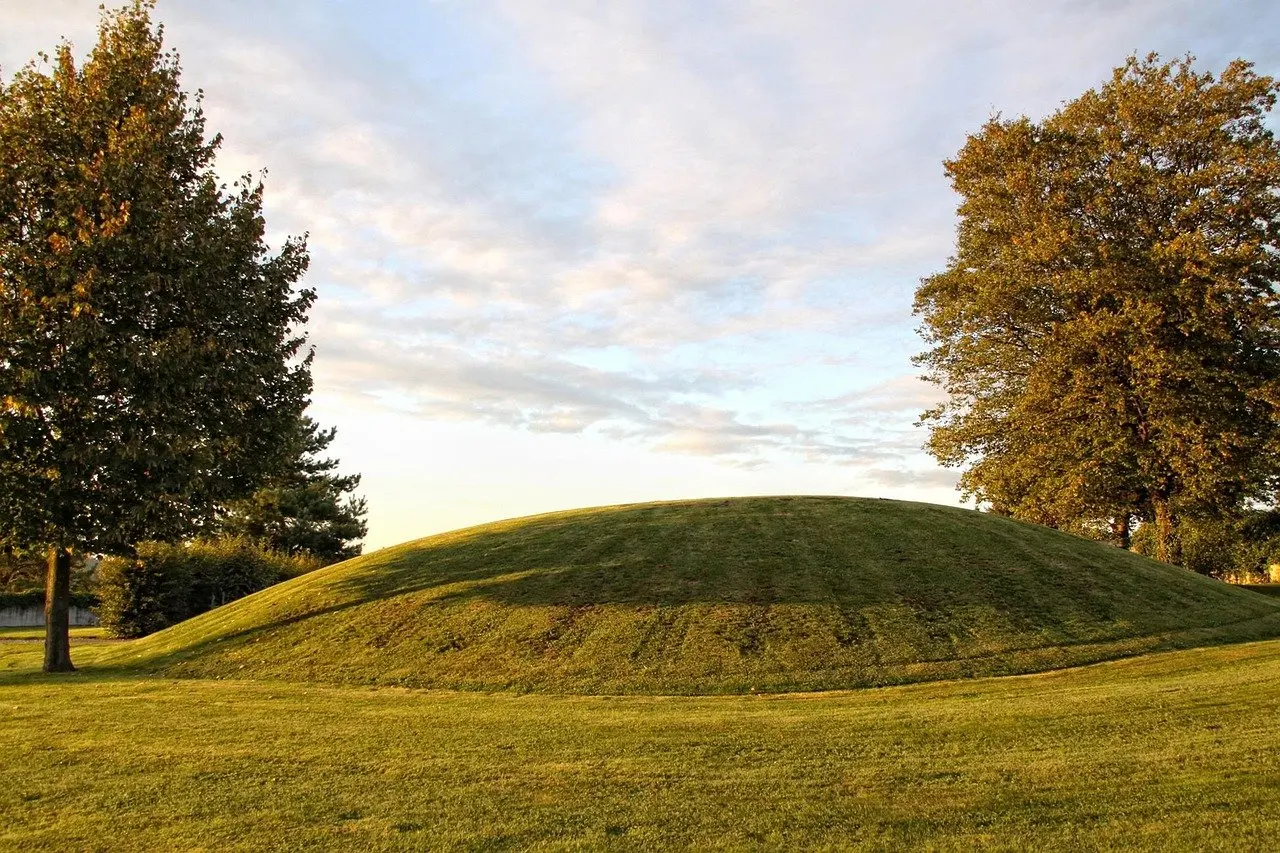
Princely graves are the large burials of Hallstatt-period leaders. Archaeology Magazine says the elites were buried in large mounds known as tumuli, with weapons, chariots and jewellery. EBSCO describes chiefs buried with costly goods, including four-wheeled carts.
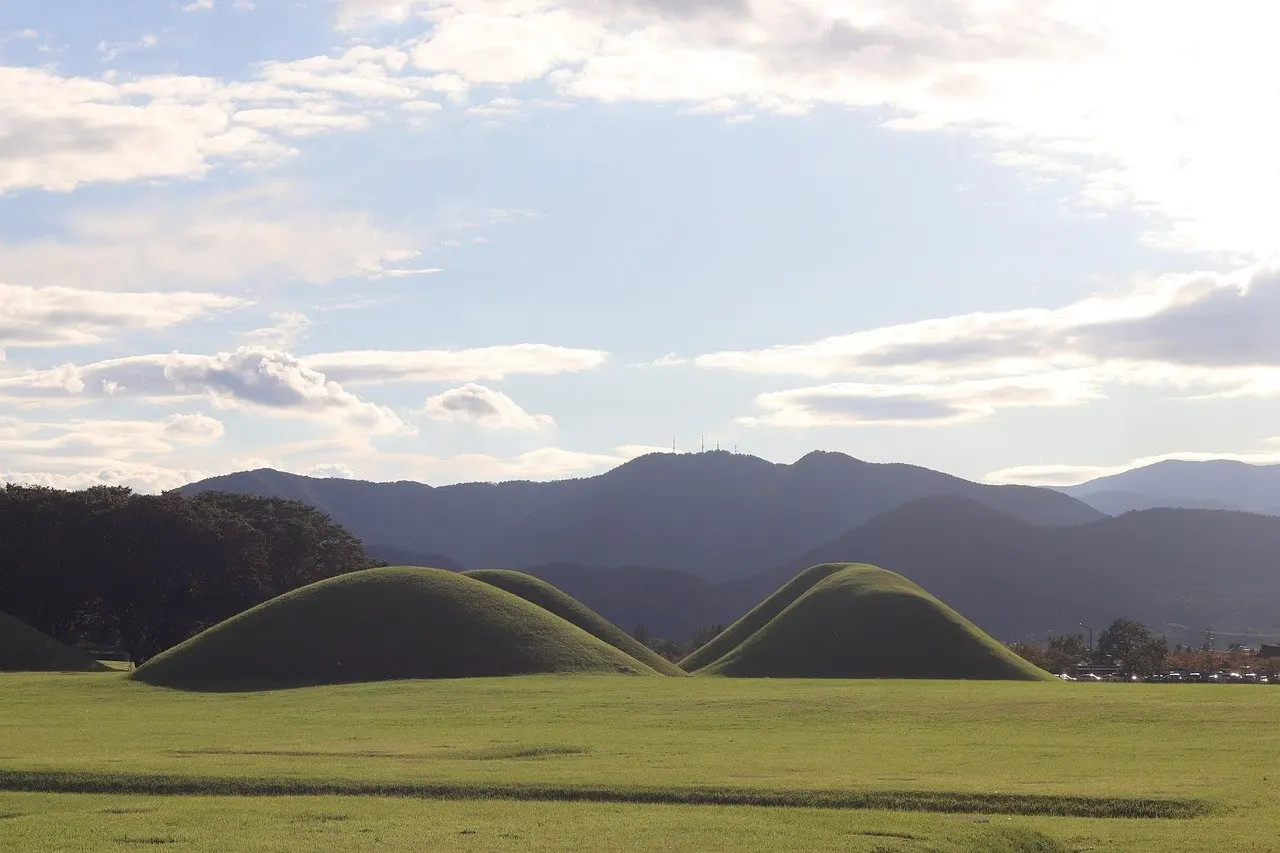
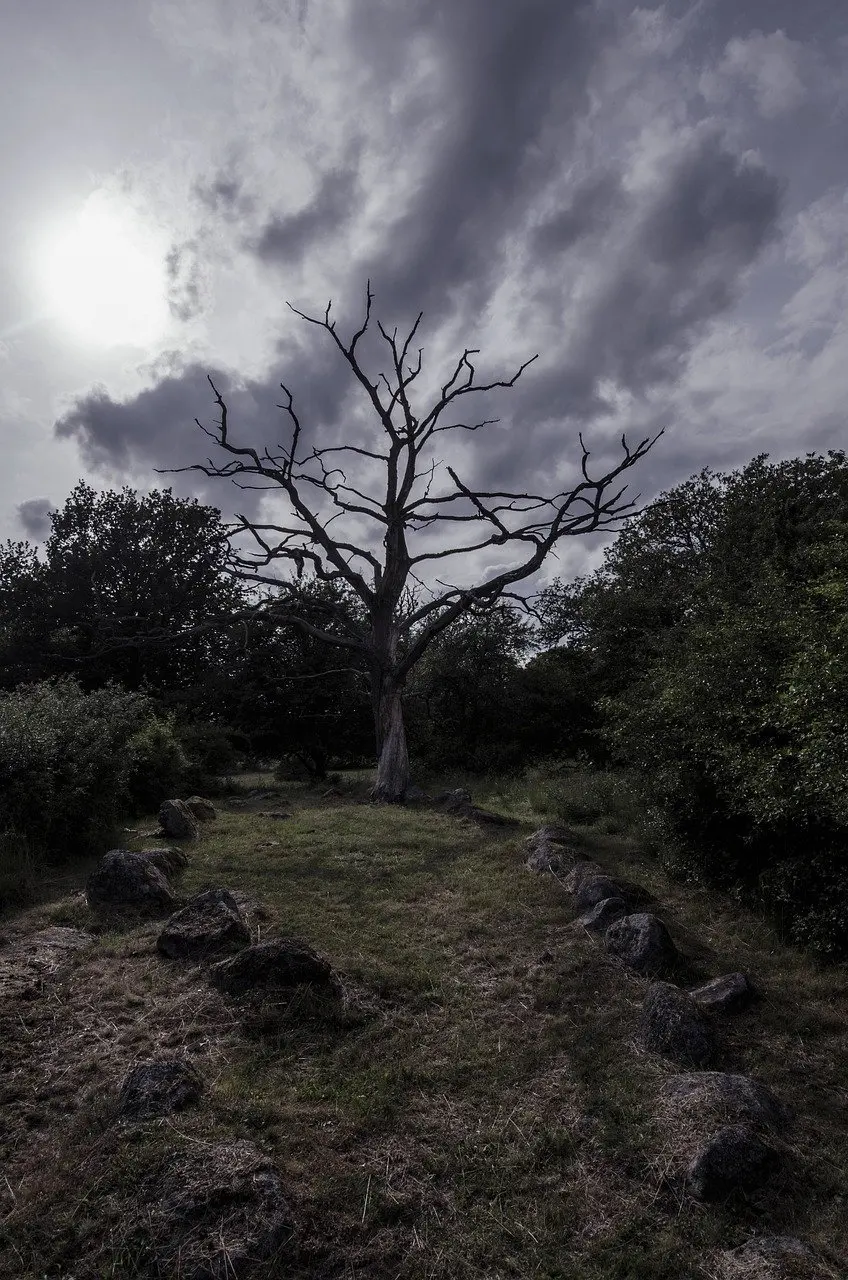
The shift in burial custom matters for dating. Hallstatt A and B, covering the Urnfield culture, are linked with cremation, while the later phases C and D are linked with inhumation, a change that came with the advent of iron-working. A grave that holds an intact body and a cart therefore points to the later phases.
The Vix krater
The scale of imported or specially made goods can be striking. The EBSCO research starter records a huge two-handled bronze jar, or krater, weighing 460 pounds (209 kilograms), in the Vix princely grave. For a reader judging how far the elite reached, an object of that weight indicates a grave furnished on a very large scale.
Hochdorf
Excavation at Hochdorf in 1978 revealed an iron-plated wagon along with an iron drinking horn, according to EBSCO. The horn was over 1 m long. Because iron stayed relatively rare through the Hallstatt period, iron fittings on a wagon and an iron drinking horn fit a picture of status display rather than everyday tools.
- Suits readers comparing graves: look at the vehicle, the drinking equipment and the metal used, as these are the items the sources single out.
- Wait before generalising: a few exceptional burials show what the top of society could command, not how most people were buried.
The richest graves cluster near fortified centres, and the best-known of these in the German-speaking region is the Heuneburg.
Heuneburg and the hill-fort network
The Heuneburg was a hill fortress and an elite centre of the Hallstatt world. The EBSCO research starter places the 12 m (40 ft) tall Hohmichele barrow near the Heuneburg hill fortress, which ties a major settlement to a major burial mound in the same landscape.
The hill fort as a trade node
EBSCO also reports that from Spain to Hungary, hill forts and settlements arose along the trade routes. The Heuneburg is best understood as one of these nodes, where an elite could oversee exchange. A second example named in the same source is the Hallstatt D hill fort on Mont Lassois, which dominated the headwaters of the Seine River in eastern France.
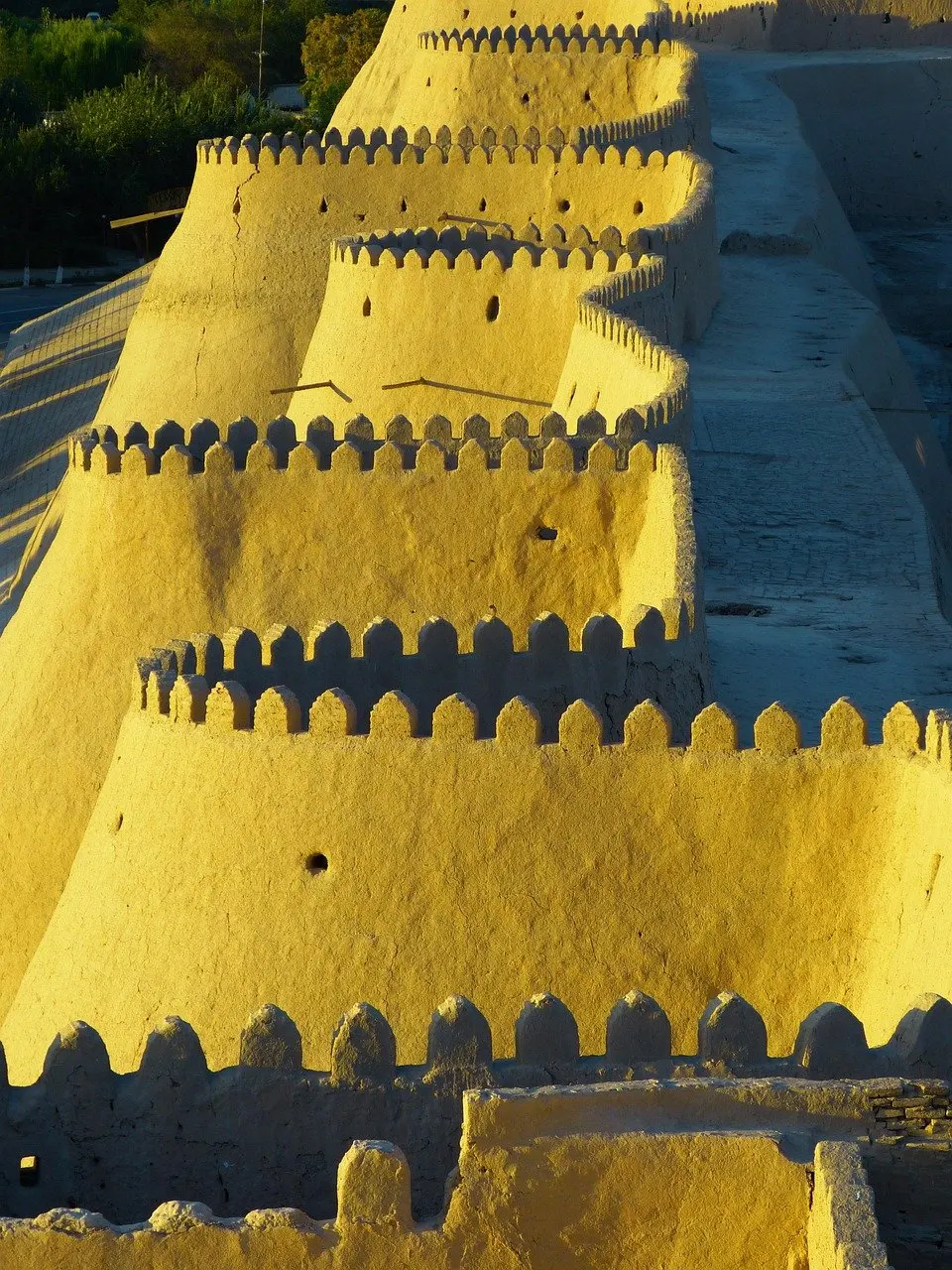
Controlling a river headwater or a ridge above a route is a practical way to tax or protect passing goods. This is an interpretation of the pattern the source describes, and it explains why fortified centres and rich graves appear together.
The Hohmichele barrow
A barrow of 12 m (40 ft) was a visible statement of power in the landscape, built close enough to the fortress to be seen from it. Visitors and readers should treat the barrow and the fortress as parts of one elite centre rather than as separate attractions.
Because the culture is dated differently by different authors, the next step is to sort out its phases.
Phases, dates and extent
Dates for the Hallstatt culture vary by source because authors draw the start and end differently. EBSCO gives roughly 1300 to 500 BCE. The Lohi Journal guide gives 1200 to 450 BC, from the Late Bronze Age to the Early Iron Age. Archaeology Magazine places the early Iron Age civilisation roughly in the 8th to the 5th centuries BCE.
The difference is explained by what each author counts. The longer spans include the Urnfield-era phases A and B (1300–800 BCE, cremation), while the narrower 8th to 5th century range matches the iron-using phases C and D (800–500 BCE, inhumation). When comparing a museum label with a book, check which phases are included before treating dates as a disagreement.
As for extent, the evidence supplied describes sites rather than a boundary line. Hill forts and settlements along trade routes stretch from Spain to Hungary, and a major hill fort stood in eastern France at Mont Lassois. The Hallstatt cultural world was therefore a wide network of connected elite centres, not one compact territory.
Hallstatt and later Celtic cultures
The Hallstatt culture is considered one of the earliest manifestations of Celtic culture in Europe, according to Archaeology Magazine. EBSCO links the later phases, Hallstatt C and D, with the early Celts.
For what followed and how the picture changes, read the la tene culture article. Because the Hallstatt culture began in the Late Bronze Age, the nordic bronze age offers a useful contrast with a Bronze Age society that did not develop the same iron-using elite burials.
Frequently asked questions
Why is it called the Hallstatt culture?
The name is tied to salt. The Lohi Journal guide notes that hal is the ancient Celtic word for salt, matching the salt-mining site of Hallstatt.
Was iron common in the Hallstatt period?
No. EBSCO states that iron continued to be relatively rare during the Hallstatt period, even though the culture is labelled Early Iron Age.
Why did Romans pay in salt if Hallstatt salt mattered earlier?
EBSCO says salt was so important that Rome later paid its legionnaires with it, which shows the value placed on salt well after the Hallstatt period.