A museum label reading “Linear Pottery culture” can suggest only a pottery style. It was a farming society: farmers from the Balkans spread agriculture across Central Europe in the sixth millennium BC, and the culture ended around 5000 BCE.
The LBK is one stage in the prehistoric Europe timeline. This guide corrects the most common misreadings of it, covering its range, pottery, houses and the violence evidence from sites such as Talheim.
Linear pottery culture at a glance
LBK is short for the German Linienbandkeramik. The culture is the earliest farming society in this part of Europe, and the Neolithic way of life it carried is easy to misread from a single object or site. The table sets the usual assumptions against what the evidence shows.
| Common assumption | Supported picture | What to take from it |
|---|---|---|
| The LBK is only a pottery style | Agriculture expanded across Central Europe in the sixth millennium BC, and the LBK came to an end around 5000 BCE. | Treat the pottery as a marker of a whole farming way of life, not as the subject itself. |
| Farming spread by ideas alone | Farmers from the Balkan region expanded down the Danube valley into present-day France and eastward into present-day Hungary and Ukraine. | Think of a movement of people along a river corridor. |
| LBK pots were elaborate from the start | Early forms were simple cups, bowls, vases and jugs without handles; lugs came later. | Use form as well as decoration when dating a vessel. |
| Early farmers lived in peace | Over 100 individuals were recovered from a ditch system at Asparn-Schletz, and Herxheim in Germany is comparable. | Violence is part of the record and cannot be left out of the picture. |
Figures and descriptions above come from a research news release on EurekAlert and the museum-digital culture entry.
Hunter-gatherer communities came first; for that earlier world, read about mesolithic europe. The sections below take the LBK in the order a reader usually meets it, from its range to its violent end-points.
Settlement range from the Danube to the Rhine
LBK settlements in Germany are one part of a much wider band. According to the EurekAlert research release, farmers from the Balkan region expanded down the Danube valley into present-day France, and eastward into present-day Hungary and Ukraine. The Danube is therefore the best single thread for following the culture.
The museum-digital entry gives the densest evidence for the culture on the middle Danube, the upper and middle Elbe, and the upper and middle Rhine. Two of those three systems run through Germany, which is why the country holds so many LBK finds.
- Follow the rivers. A map of LBK sites reads best as three river systems, not as a scatter of villages. Searching for a site near the Elbe or the Rhine is a sound starting point in Germany.
- Do not treat Germany as the core. The expansion ran from the Balkans, so German sites sit in the middle of a longer story, not at its origin.
- Read dates as a spread, not a single moment. Agriculture expanded in Central Europe in the sixth millennium BC, and the culture ended around 5000 BCE, so individual regions were settled at different points within that span.
Pottery forms and decoration
The pottery gives the culture its name. Several of its alternative names, including Linear Band Ware and Incised Ware, refer to the same ceramics, and they point to the line-based decoration that defines LBK vessels.
The museum-digital entry describes early LBK pottery as simple cups, bowls, vases and jugs without handles. Lugs appear later. The practical consequence is that a vessel with lugs and one without are not interchangeable: the handle-free forms belong to the early phase, so shape is a clue to date alongside decoration.
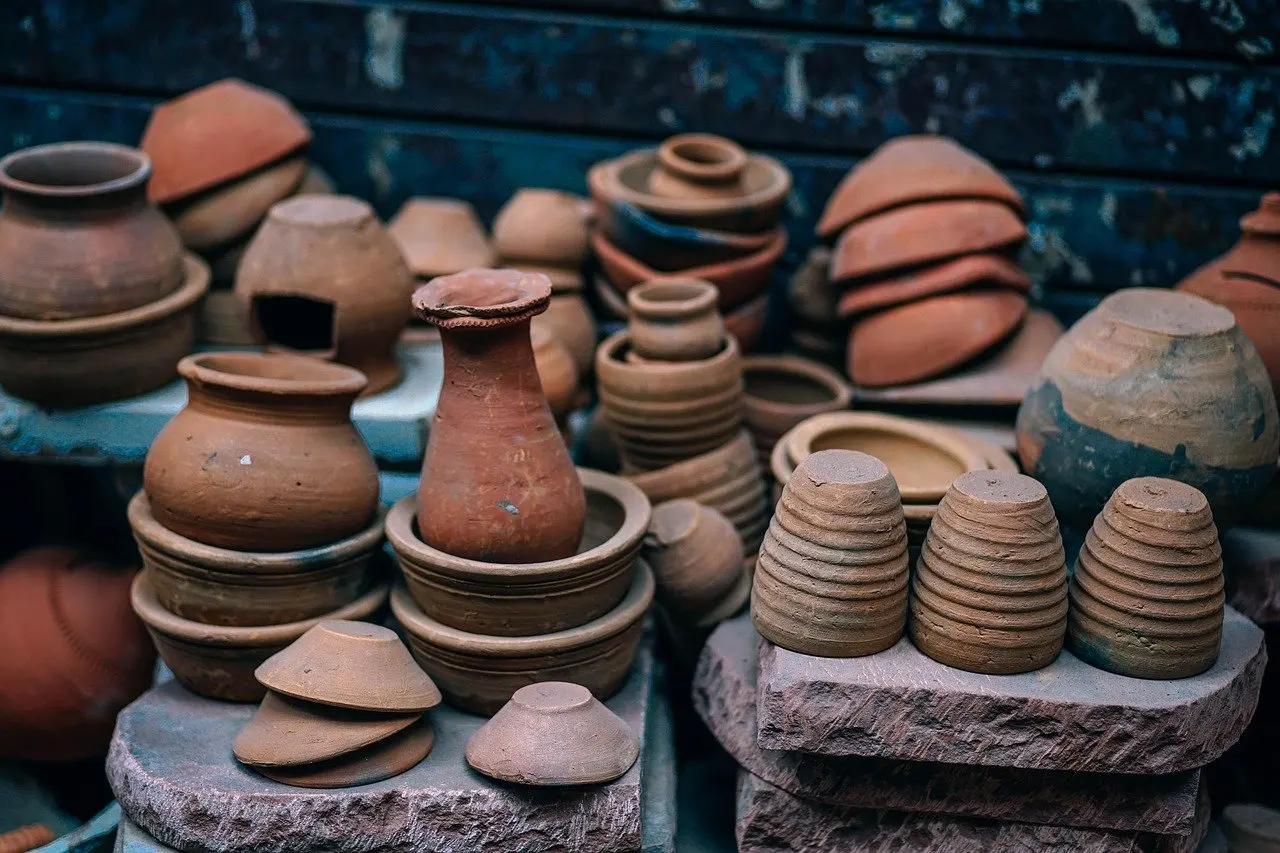
One caution applies to museum labels. Pottery names describe decoration, so they say little about the people who made the pots. For that, the settlement and burial evidence in the next sections matters more.
Longhouses, villages and tools
Longhouses
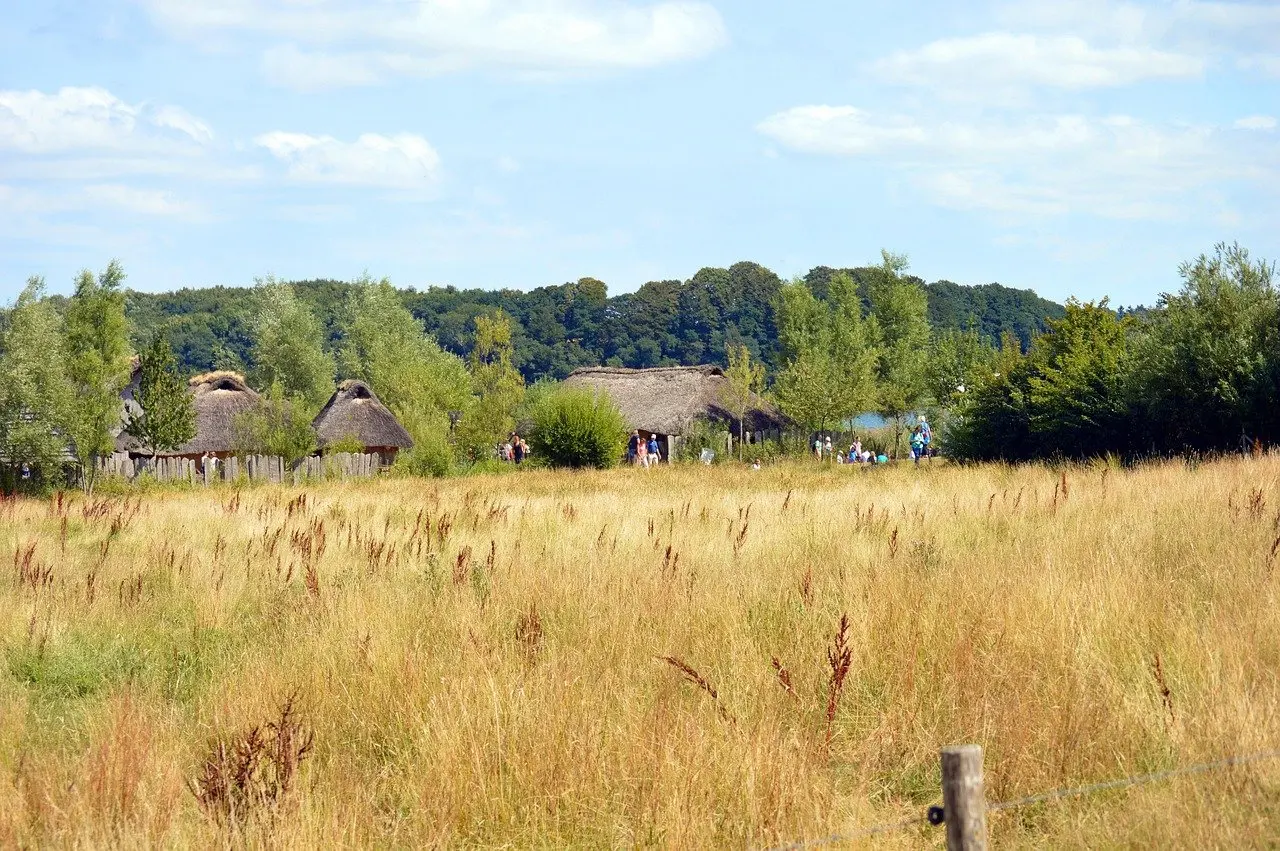
The longhouse is the standard LBK building. The EurekAlert release illustrates a typical LBK house with a reconstruction in the MAMUZ museum at Asparn/Zaya, which is the place to look for a full-scale impression. Excavated longhouses normally survive as patterns of postholes, so reconstructions fill in what the ground no longer shows.
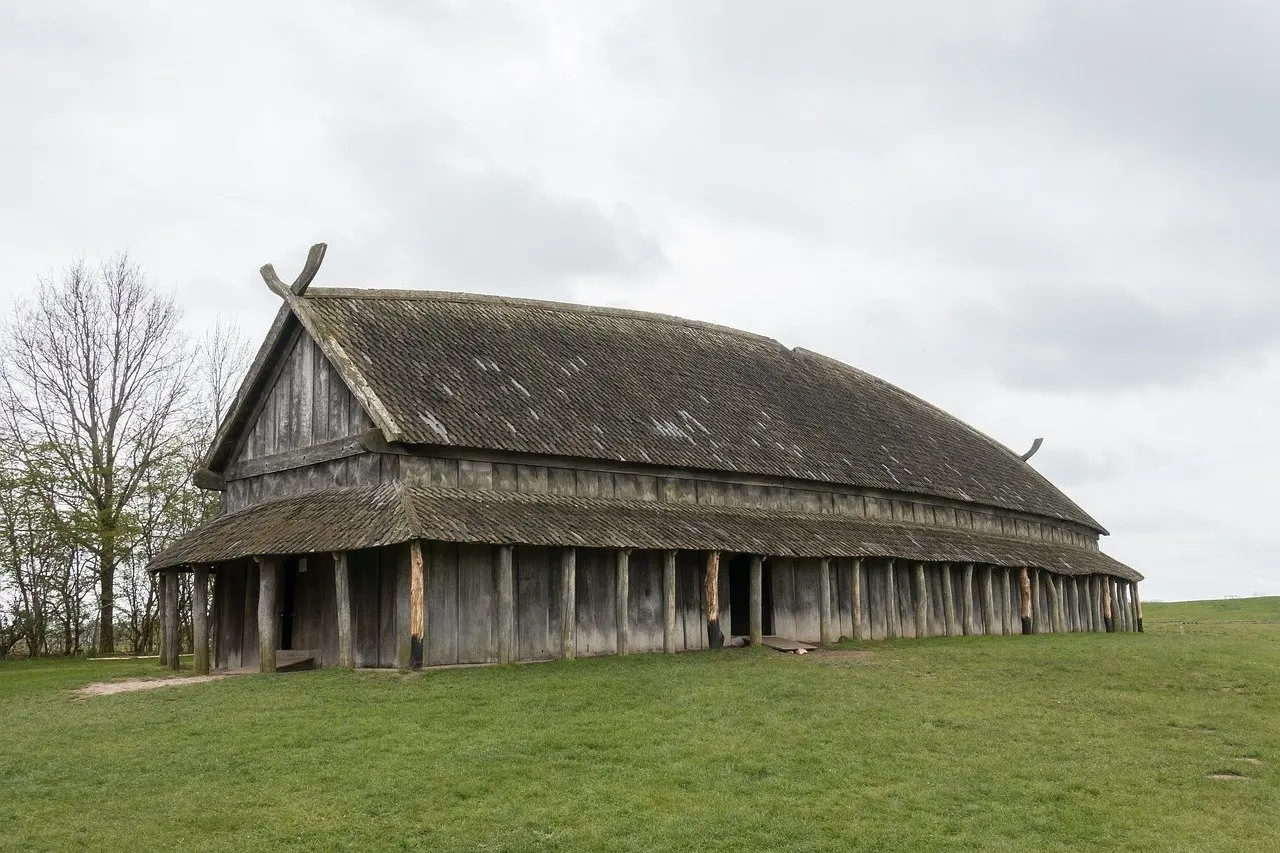
Social life inside these villages looks more level than many readers expect. The same release reports that families at Nitra and Polgár-Ferenc-hát do not differ in the food they consumed, their grave goods or their origins. A village of longhouses should not be pictured as one dominated by a rich household.
Stone tools
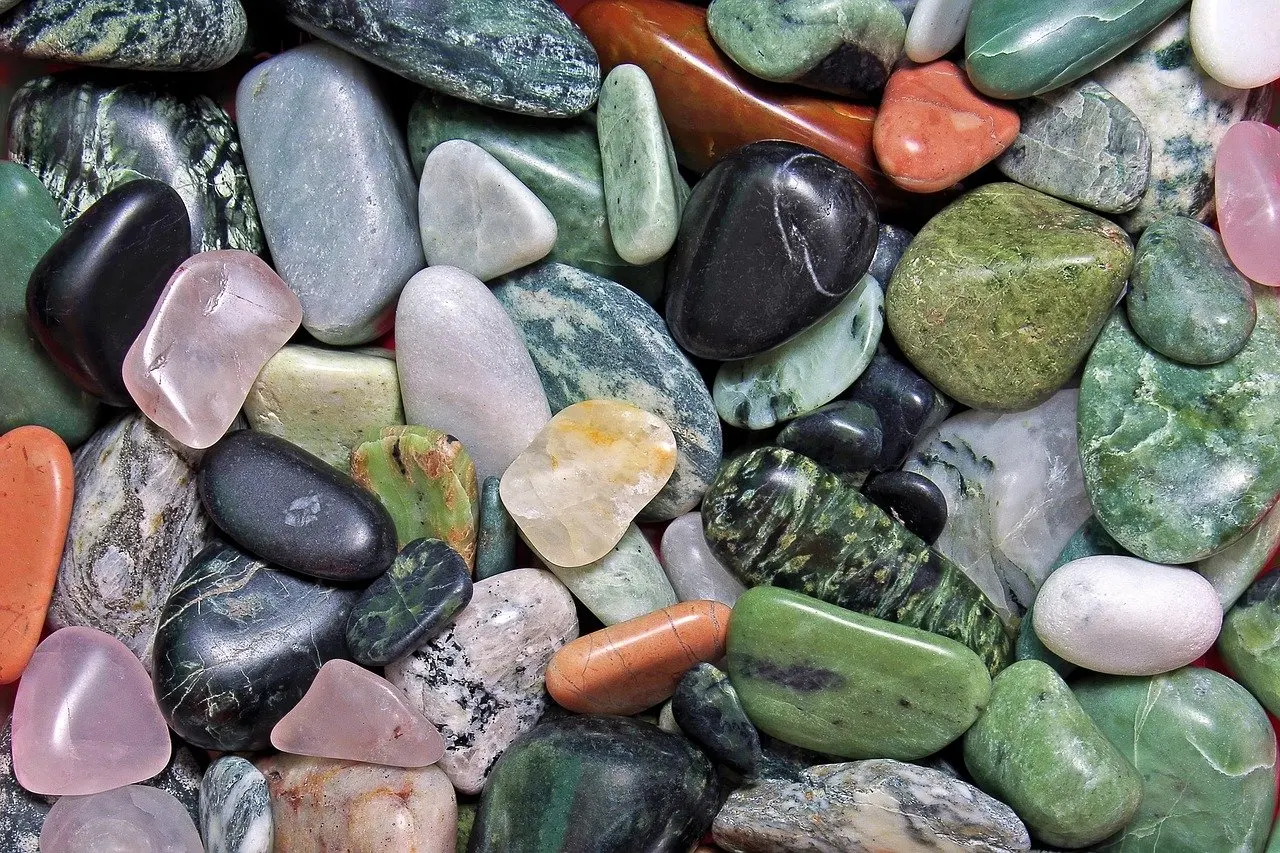
Tools show the farming side of the culture. The museum-digital entry lists flint tools of the LBK from Eilsleben in a Saxony-Anhalt museum collection. The adze, a stone-bladed tool, belongs to the same early farmer toolkit, and it is the object most often used to represent that way of life.
Violence at Talheim, Asparn-Schletz and Herxheim
The idea that the first farmers lived peacefully does not survive the mass-deposit evidence. Talheim belongs to this discussion of Early Neolithic violence, but the figures below come from Asparn-Schletz and Herxheim and should not be carried over to Talheim, whose pit has its own excavation record.
According to the EurekAlert research release, over 100 individuals were recovered from a ditch system at Asparn-Schletz. Together with Herxheim in Germany, the release describes the site as one of the largest known assemblages of violence from the Early Neolithic. The analysis drew on new genetic data from more than 250 individuals.
- Not one family. Fewer than 10 of the individuals at Asparn-Schletz were genetically related, so the victims were not simply one extended family.
- Children among the dead. The release notes many children among the victims.
- Young women missing. The same demographic pattern shows a lack of young women, which matters when interpreting what happened.
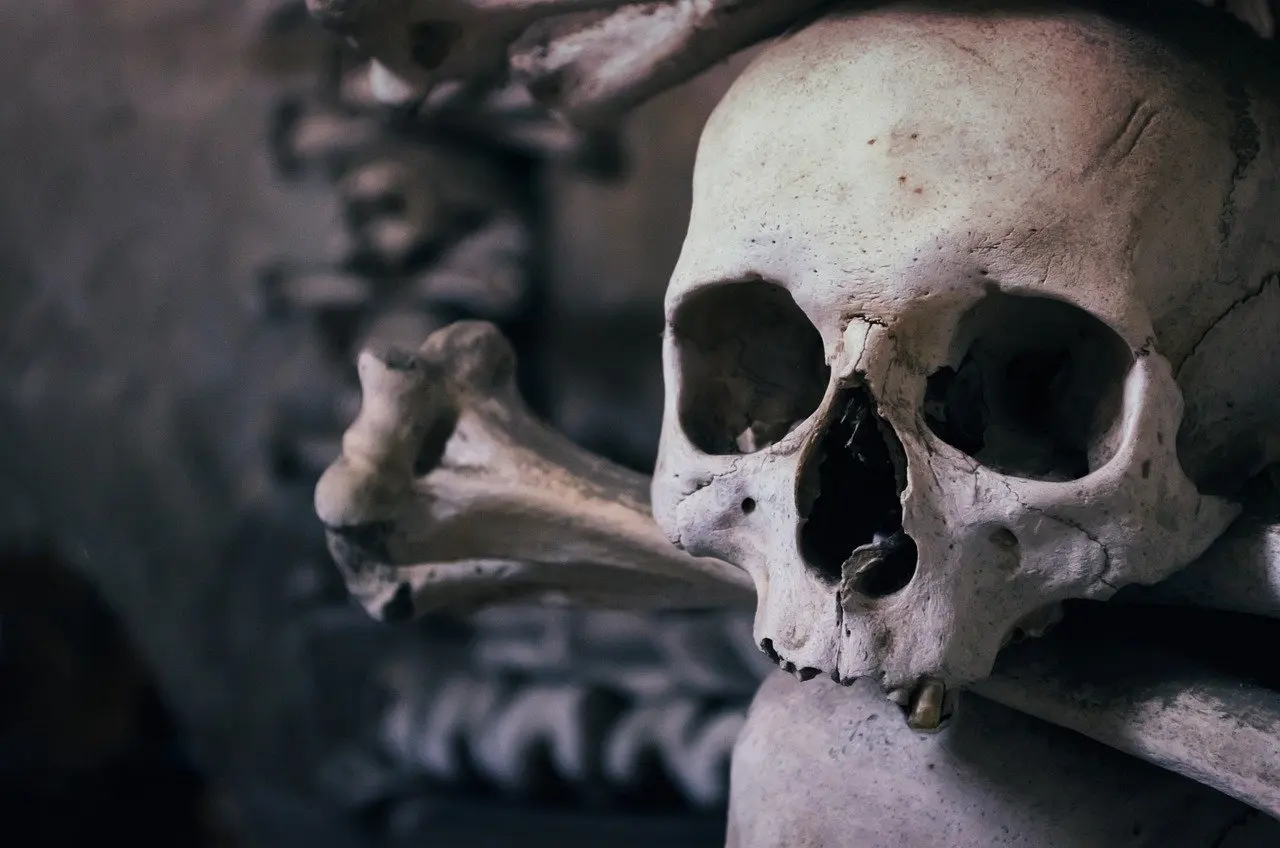
The sensible reading is cautious. These sites show that lethal violence occurred in LBK society, but a single site does not describe the whole culture, and village life at Nitra and Polgár-Ferenc-hát looked very different. To compare with another Neolithic culture, read about the funnel beaker culture.
Frequently asked questions
| Question | Answer |
|---|---|
| What does LBK stand for, and does the culture have other names? | LBK abbreviates the German Linienbandkeramik. According to museum-digital, the culture is also known as Linear Band Ware, Linear Ware, Linear Ceramics or Incised Ware. |
| Were LBK families socially unequal? | The evidence from Nitra and Polgár-Ferenc-hát points the other way: families there did not differ in food, grave goods or origins, according to the EurekAlert release. |
| Did LBK groups stay in touch over long distances? | Genetic data link distant relatives in Slovakia and Western Germany more than 800 km apart, as reported in the same research release. |