Anyone searching for an archäologie im revier ausstellung may expect Stone Age finds. The Ruhr Museum’s Archäologie der Moderne at Zollverein in Essen instead shows finds from the last 250 years, mostly found during building and renovation work.
The wider picture of exhibitions, lectures and finds sits in the archaeology news Germany hub, and the archaeology exhibitions germany guide compares other venues.
The Ruhr Museum show at Zollverein
The Ruhr Museum presents this exhibition in the Kohlenwäsche, a building of the UNESCO World Heritage site Zollverein in Essen. According to the museum’s page, the finds are on view from September. Check that page for the year and visiting details before travelling.
The museum starts from a plain statement: archaeology no longer deals only with the Stone Age, antiquity or the early Middle Ages. For a visitor who arrives expecting prehistoric flints and pottery, that changes the visit. The exhibition belongs to a different kind of archaeology, one that treats the recent industrial past as material worth recovering and evaluating.
| Common assumption | What the exhibition pages show | Planning use |
|---|---|---|
| Archaeology in the Revier means Stone Age finds | The Ruhr Museum show covers the modern period, finds from the last 250 years | Expect recent, industrial-era material rather than prehistory |
| Finds come from planned research digs | They come to light mostly during building and renovation work and are recovered mainly under monument conservation (Bodendenkmalpflege) | Read the display as the result of rescue work, not of a research programme |
| Archaeologists always valued such recent finds | Roughly 30 years ago archaeology would not yet have been interested in finds from this period | Collections of modern finds are young, so expect fewer long-established displays |
| A display only shows the finished object | The Berlin exhibition Entdecke die Archäologie follows a find from excavation to exhibition | Choose Berlin if the process matters more than the period |
The first three rows draw on the Ruhr Museum’s exhibition page, and the last row on the Staatliche Museen zu Berlin page for Entdecke die Archäologie.
Why ground-breaking work produces finds
Rescue archaeology exists because the ground gets disturbed. The Ruhr Museum describes its finds as coming to light mostly during building and renovation work, not through digs chosen for research interest. In a mining region the disturbance is simply larger, and the principle is the same: what lies in the soil has to be recorded before the work removes it.
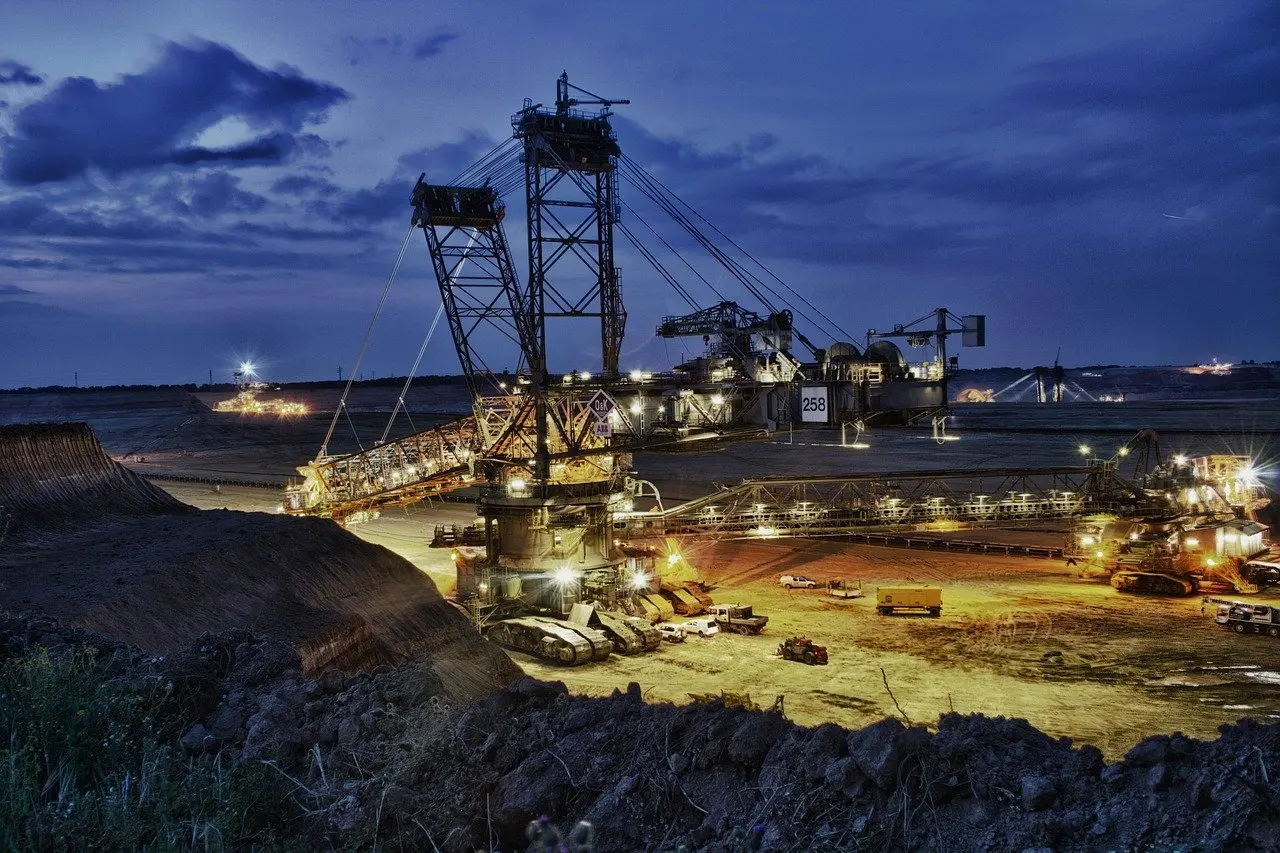
This is also why the timing of such exhibitions matters. Finds that surface during construction are recovered because someone is present when the ground opens. That is the working logic behind rescue archaeology, and it explains why a modern-period show can exist at all: the objects only survive in the record if they are recovered at that moment.
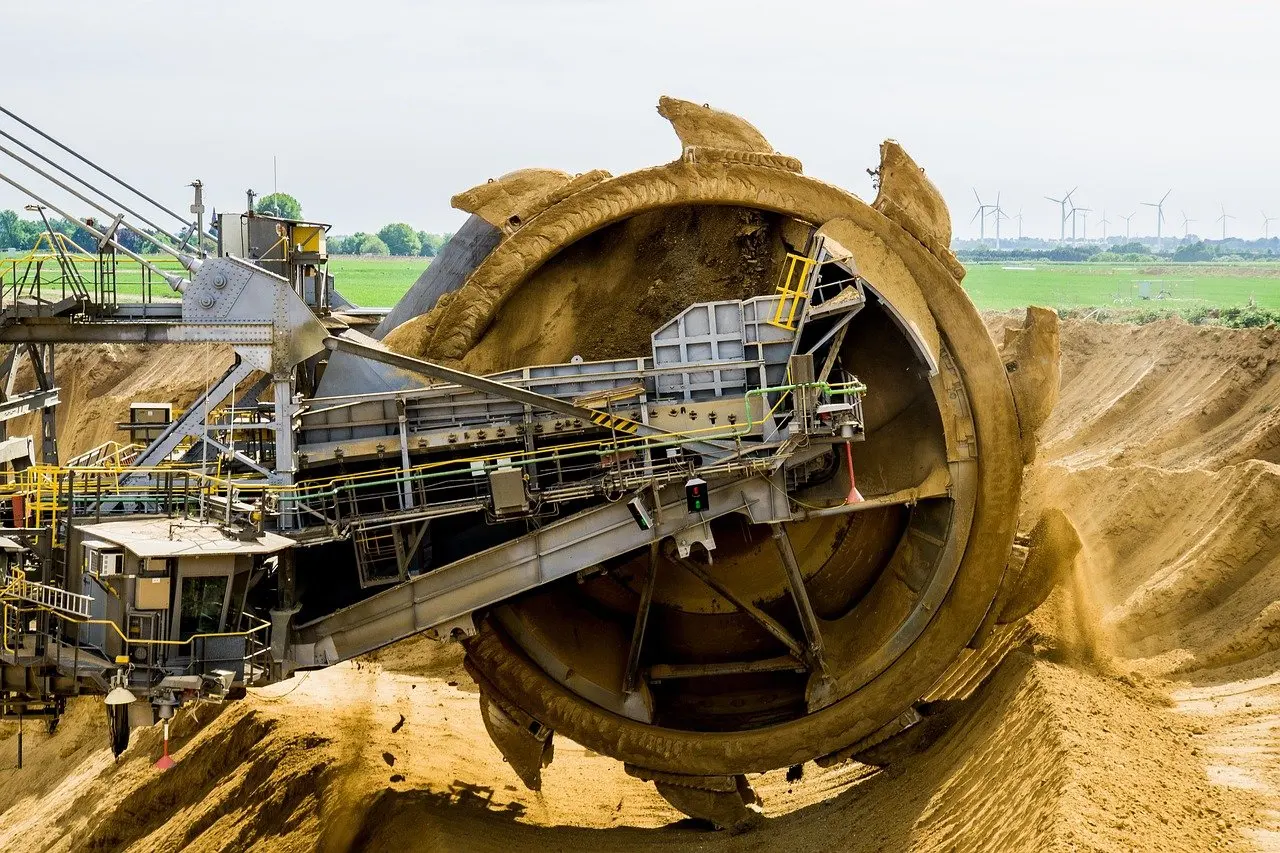
The museum adds a historical note. Roughly 30 years ago, archaeology would not yet have been interested in finds from this period. The show therefore also documents a change in what counts as archaeological evidence.
How finds are documented before the soil goes
Finds are documented and kept through monument conservation of archaeological sites. The Ruhr Museum states that such finds are recovered mainly within Bodendenkmalpflege and then evaluated in a targeted way. The sequence below follows what the museum pages describe.
- Recovery under monument conservation. Most finds are lifted as part of the official protection of archaeological sites, which is why they reach museums with a documented origin.
- Reading the layers. Stratigraphy is the order of soil layers in a section. A find lying in a lower layer is generally older than one lying above it, so recording where an object came from is as important as the object itself.
- Dating organic material. The Herne archaeology museum explains that organic material can be dated through its carbon content. That is the radiocarbon method, and it adds an absolute age to what the layers show in relative order.
- Workshops and stores. The Berlin exhibition shows the real workshops and stores of the state heritage office, with a museum alongside, and follows a find from the dig to its place on display.
For anyone who wants to see this chain rather than read about it, the Berlin exhibition is the clearest supported example. It makes the route from excavation to exhibition visible, which a finished display case cannot do.
Prehistoric settlement at the Herne museum
Prehistoric settlement is not the subject of the Ruhr Museum show, so the Ruhr area’s early villages are better followed at the LWL archaeology museum in Herne. Its timeline runs from early prehistory through the development of farming, the first villages, and the Bronze and Iron Age. That sequence shows how settled life with fields and villages grew out of earlier ways of living.
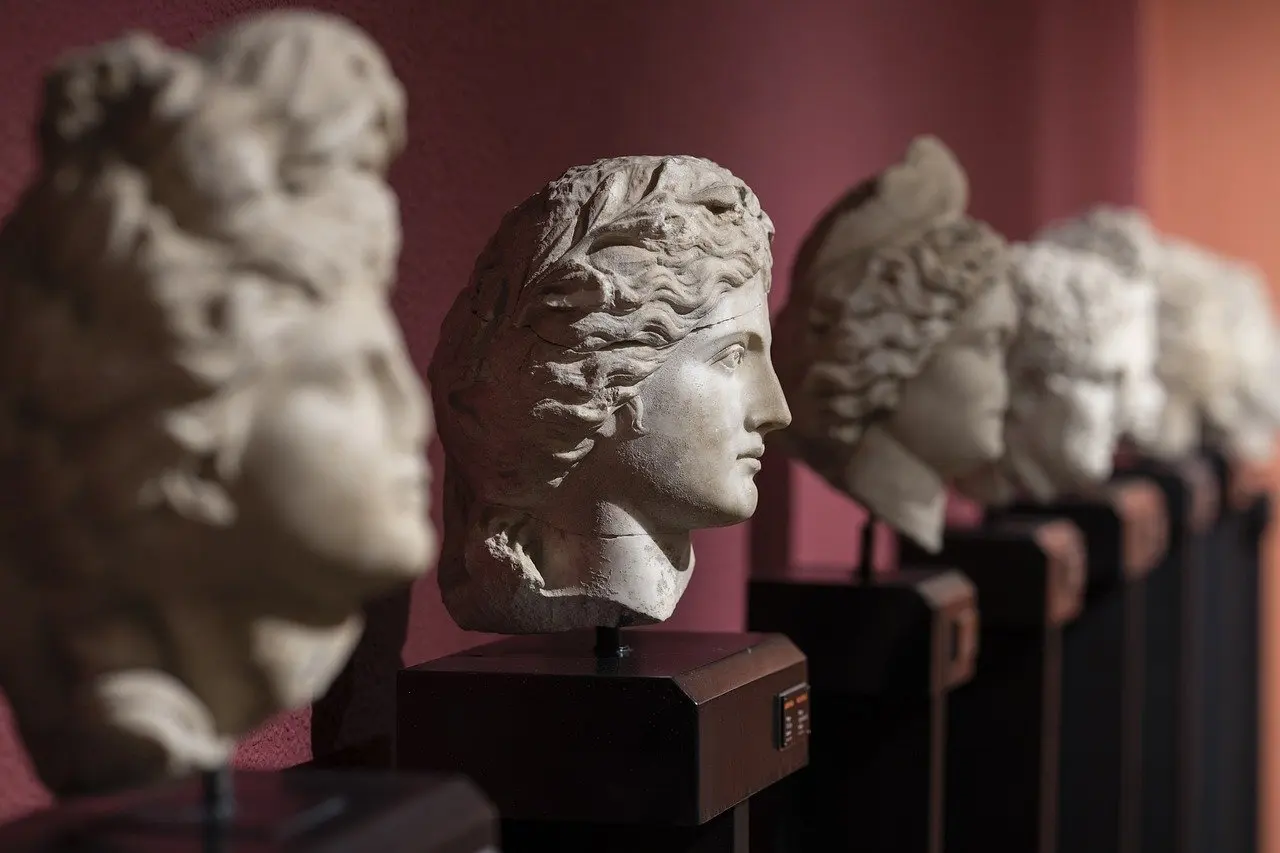
That makes it a sensible second stop for visitors who want settlement history after the modern-period show in Essen. Anyone who prefers talks to displays can follow the same subject through the osterwiecker vortragsreihe archäologie.
From changed landscape to display
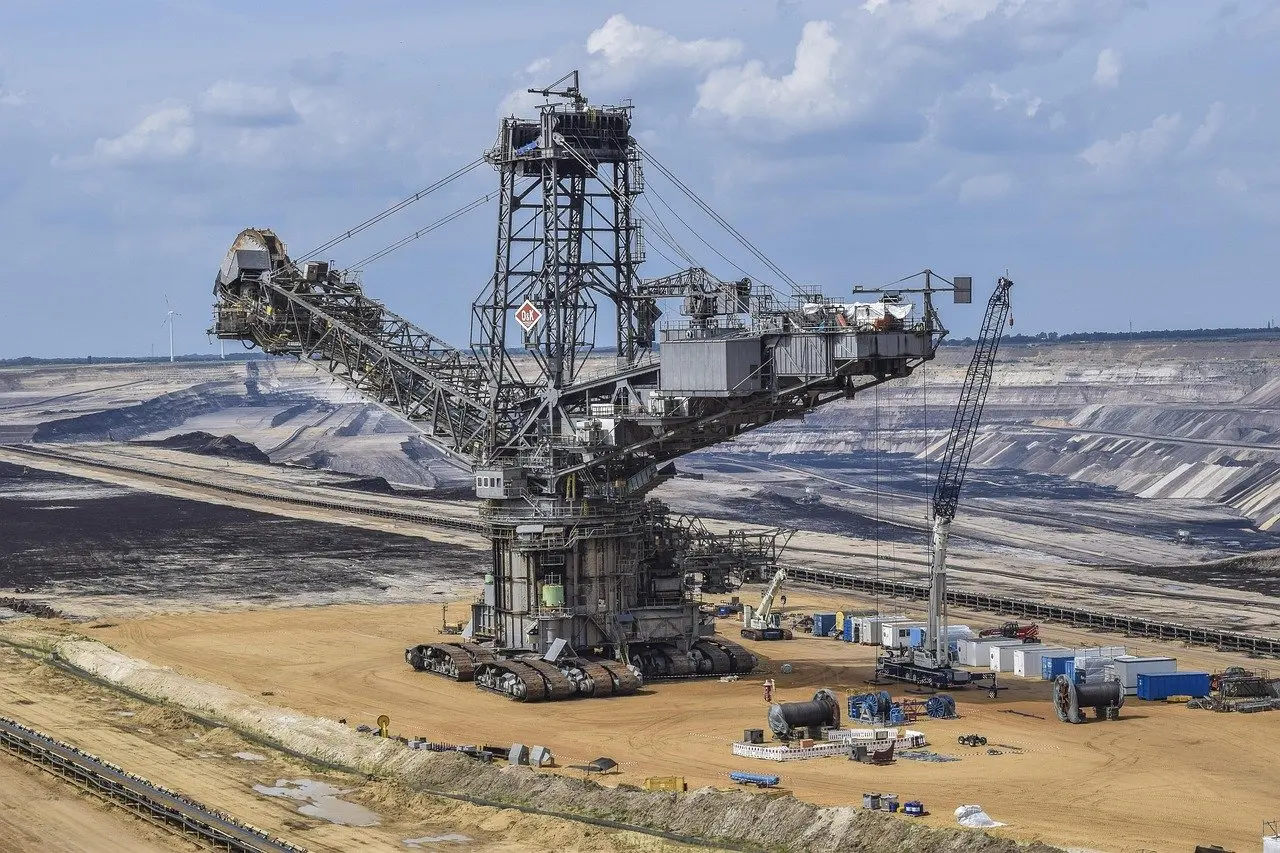
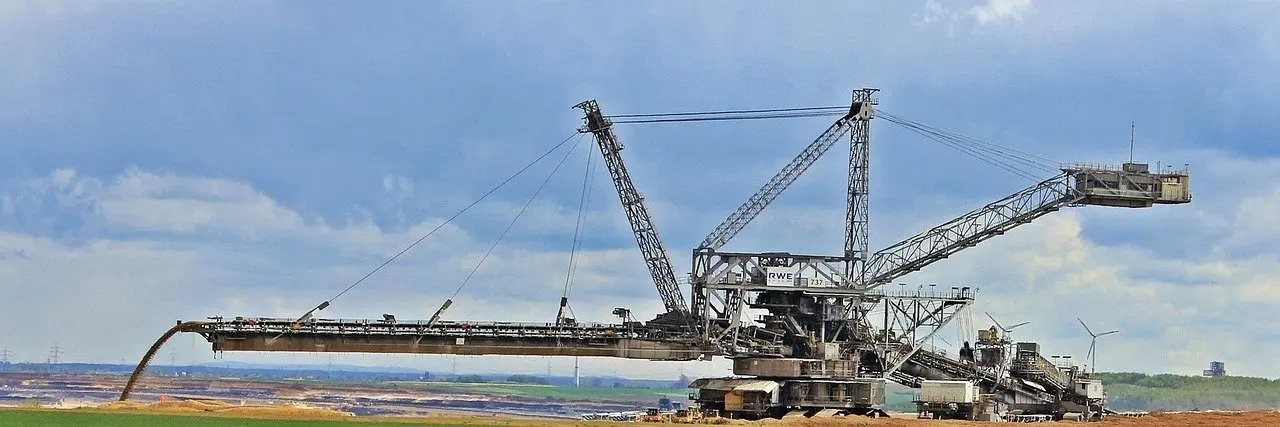
Mining and construction reshape a landscape faster than archaeology can survey it. What remains afterwards is the record: finds in stores, dated samples and exhibitions that explain them. The Ruhr Museum’s choice to evaluate modern-period finds as deliberately as older ones means industrial-era traces are treated as archaeology and not as rubble.
The venue reinforces the point. The show sits in the Kohlenwäsche of Zollverein, a World Heritage industrial site, so the exhibition itself stands in the kind of landscape its finds come from.
A simple way to choose between venues follows from the evidence:
- Modern-period finds: the Ruhr Museum at Zollverein in Essen.
- Prehistoric settlement, farming and the metal ages: the Herne museum.
- The route from dig to display: the Berlin exhibition Entdecke die Archäologie.
Frequently asked questions
| Question | Answer |
|---|---|
| When is the Herne archaeology museum open, and what does it cost? | Tuesday to Friday 09:00–17:00, with Thursday open until 19:00, and weekends and holidays 11:00–18:00. Admission is €5–10 per adult, per the Herne museum listing. |
| Where was the Herne museum before it opened there? | It moved from Münster to Herne in 2003. |
| How far back does the Herne timeline start? | The walkway journey begins about 5,000,000 years ago and continues through farming, the first villages, and the Bronze and Iron Age. |