The funnel beaker culture was a Neolithic farming culture of northern Europe, dated to about 4000 to 2800 BCE. It is named for its funnel-shaped pottery and is linked to dolmens and passage graves built from large stones.
To see where it sits among neighbouring periods, use the prehistoric Europe timeline. The sections below run from farming life, through the tombs and the pottery, to dating, regional research and what followed.
Farming and settlement behind the tombs
The Funnel Beaker communities were farmers who also kept livestock. A ceramics-focused overview states that these people practised agriculture and kept livestock, so the tombs and pots are best read as products of settled farming communities rather than of mobile hunters.
The Archaeology Magazine encyclopedia entry fills in the detail:
- Crops: people grew wheat and barley.
- Livestock: cattle, sheep, goats and pigs formed the main herds.
- Animal products: the herds supplied meat, milk, hides and wool.
- Land use: forest clearing expanded farmland and grazing zones.
- Houses: buildings followed rectangular plans, built with timber posts and clay walls.
For a reader sorting out what this culture was, the practical point is that farming and herding set the economic frame. The monuments are the most visible part of that frame, but settlement layers hold the everyday material. The same entry notes that smaller bowls appear across settlement layers, which is why settlement finds matter as much as burial sites when comparing regions.
Megalithic tombs: dolmens and passage graves
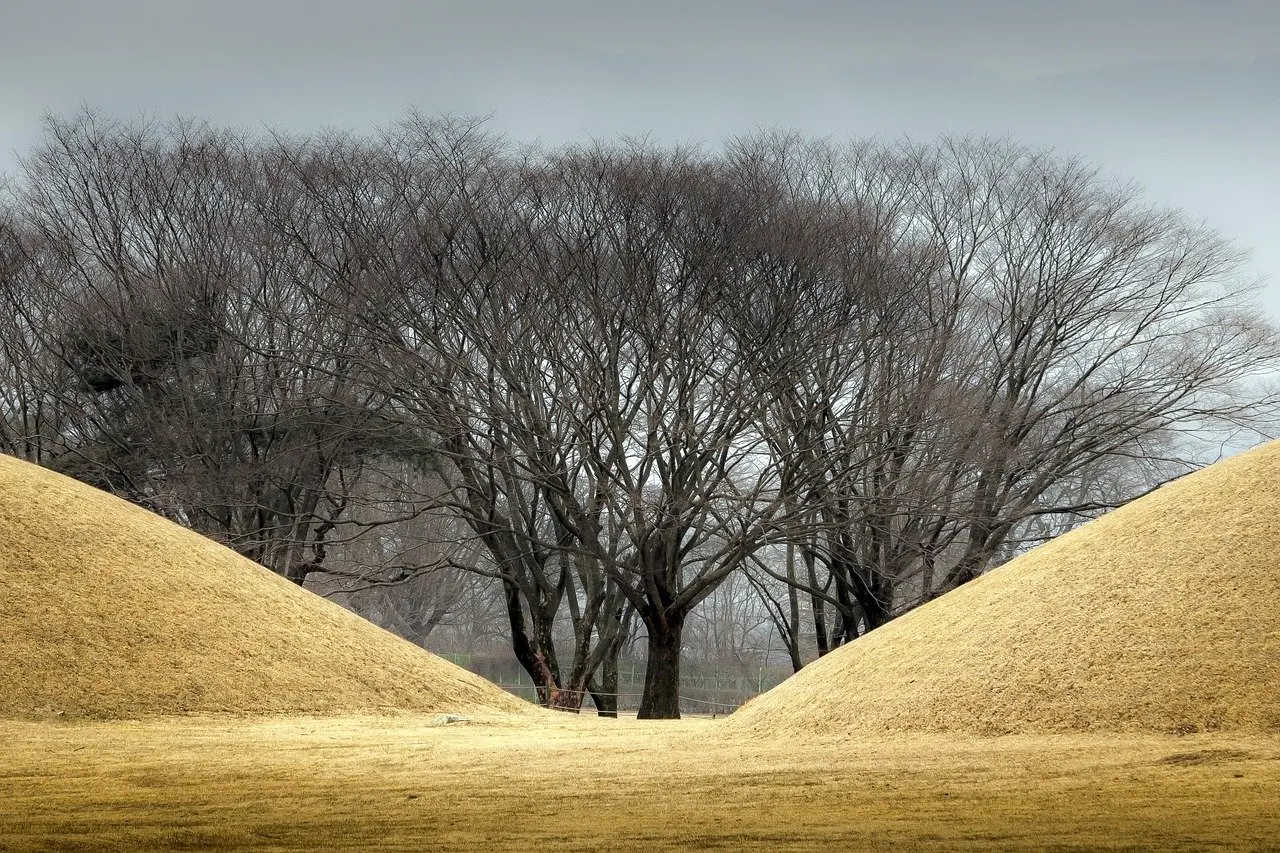
The tombs are the reason many readers meet this culture at all. According to the encyclopedia entry, communities built dolmens and passage graves from large stones, and these tombs hold many individuals across long time spans. A megalith of this kind was therefore a lasting, shared burial place rather than a single grave.
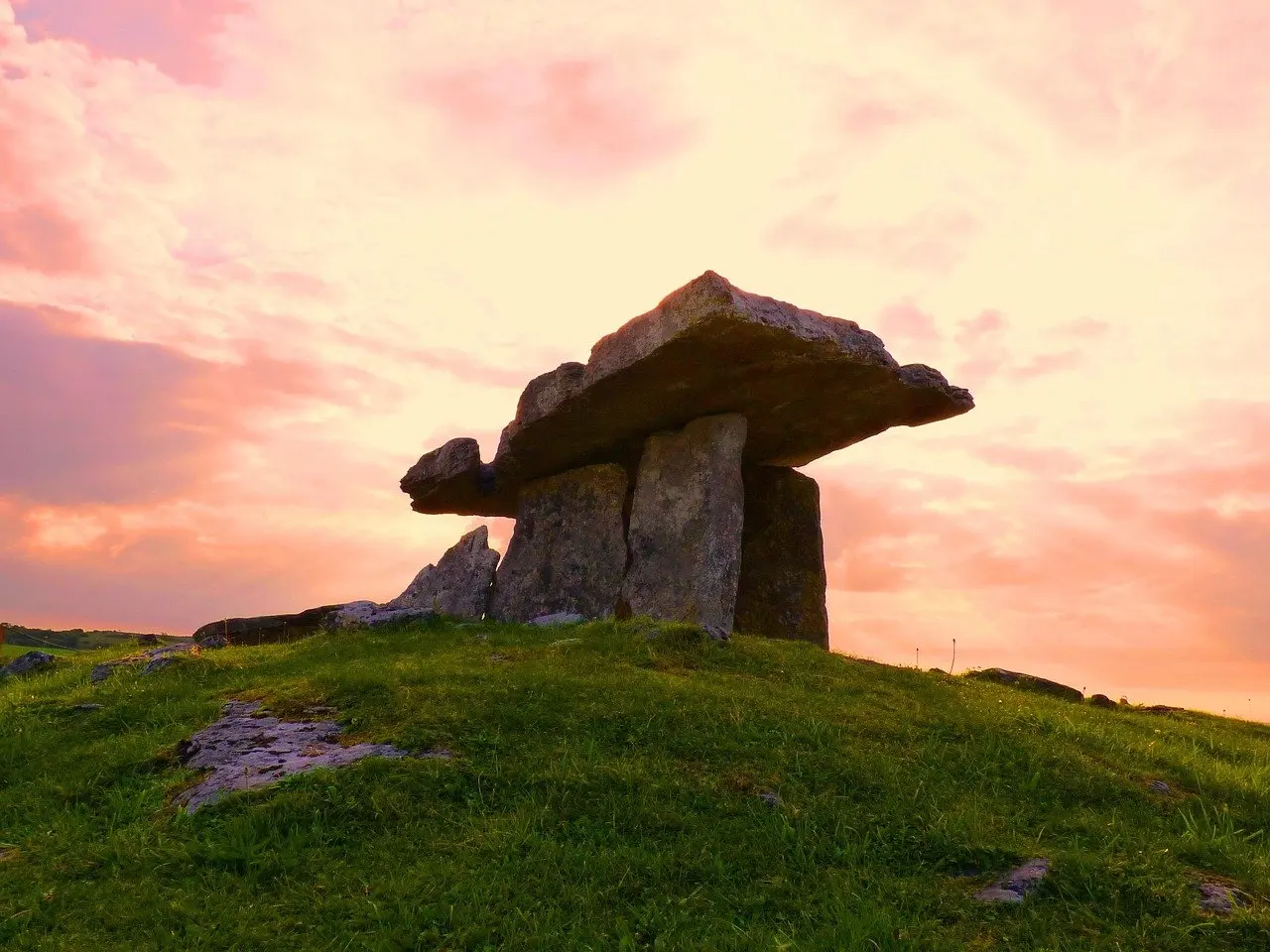
How the tomb tradition worked
The evidence supports a clear sequence of ideas, each following from the last:
- Organise labour. The entry states that burial sites required heavy labour and organised work, so a tomb implies a community able to coordinate effort.
- Raise the structure. Large stones were used for both dolmens and passage graves.
- Use it over time. The tombs hold many individuals over long periods, which points to repeated use instead of one-off burial.
- Deposit goods. Grave goods include pottery, stone tools and ornaments.
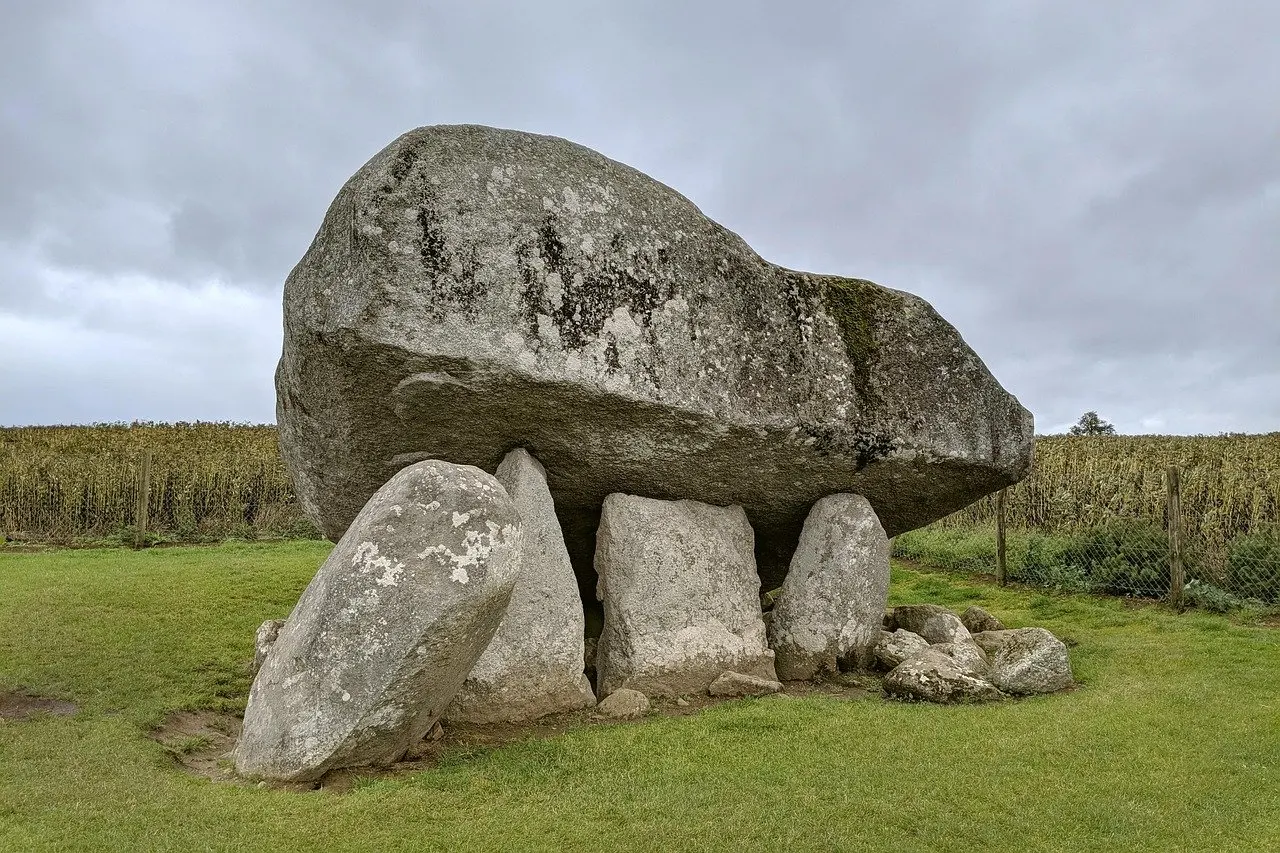
Why the tombs mattered to their communities
No single explanation is established, and the research presented at a 2009 conference shows how wide the question is. The proceedings, published by BAR Publishing in 2013, cover megalithic tombs, burials, ritual deposits, pottery and settlements. One chapter addresses communities of the Funnel Beaker culture in the era of erecting monumental tombs in Poland, and another asks about landscapes as social spaces with ritual meaning in northern Germany. The shared message is that tombs served social and ritual purposes within a landscape, and researchers treat them as such instead of as isolated monuments.

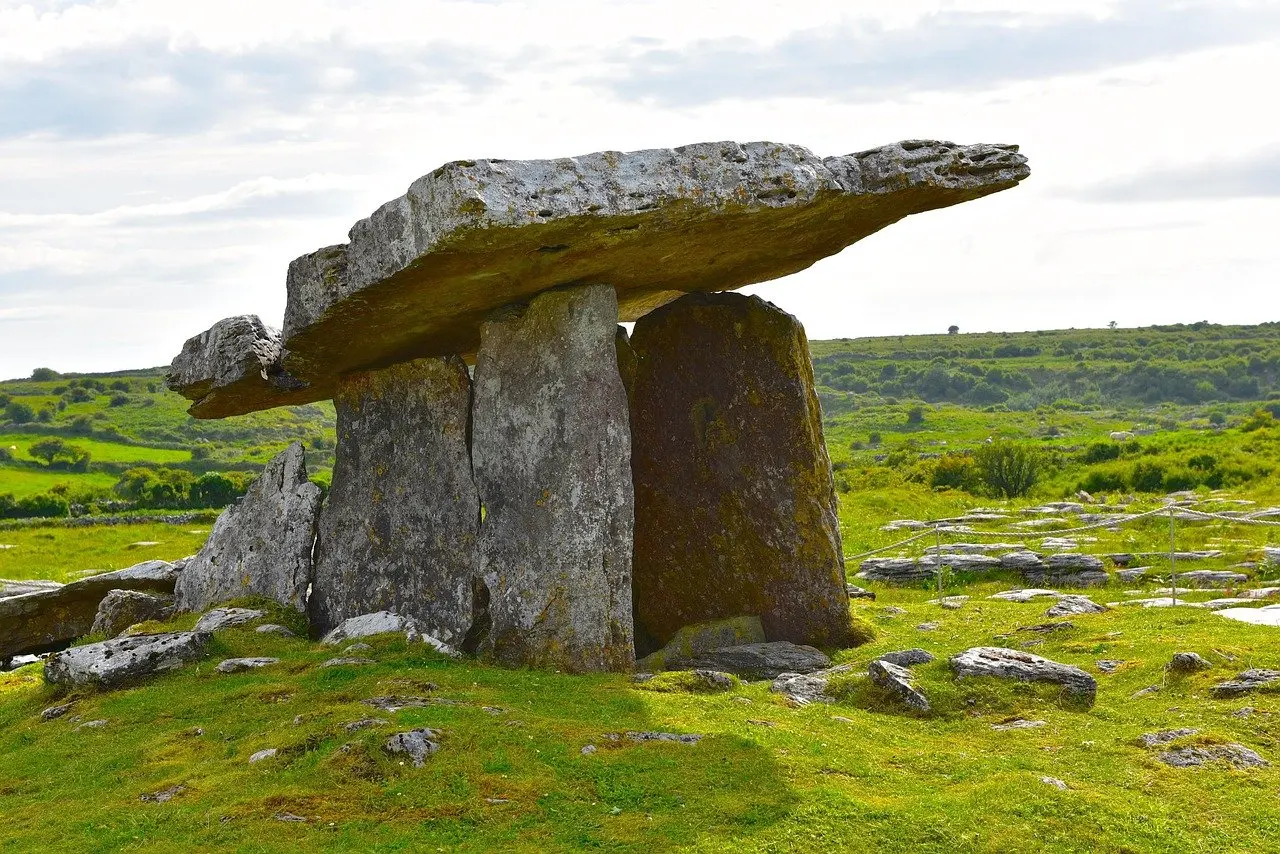
The tradition is not uniform. In the Netherlands, the ceramics overview says these makers are especially famous for burying their dead in dolmens. Anyone comparing regions should expect the same tomb idea to appear with local differences, and should not assume that one region’s monument type stands for all of them.
Funnel-shaped pottery
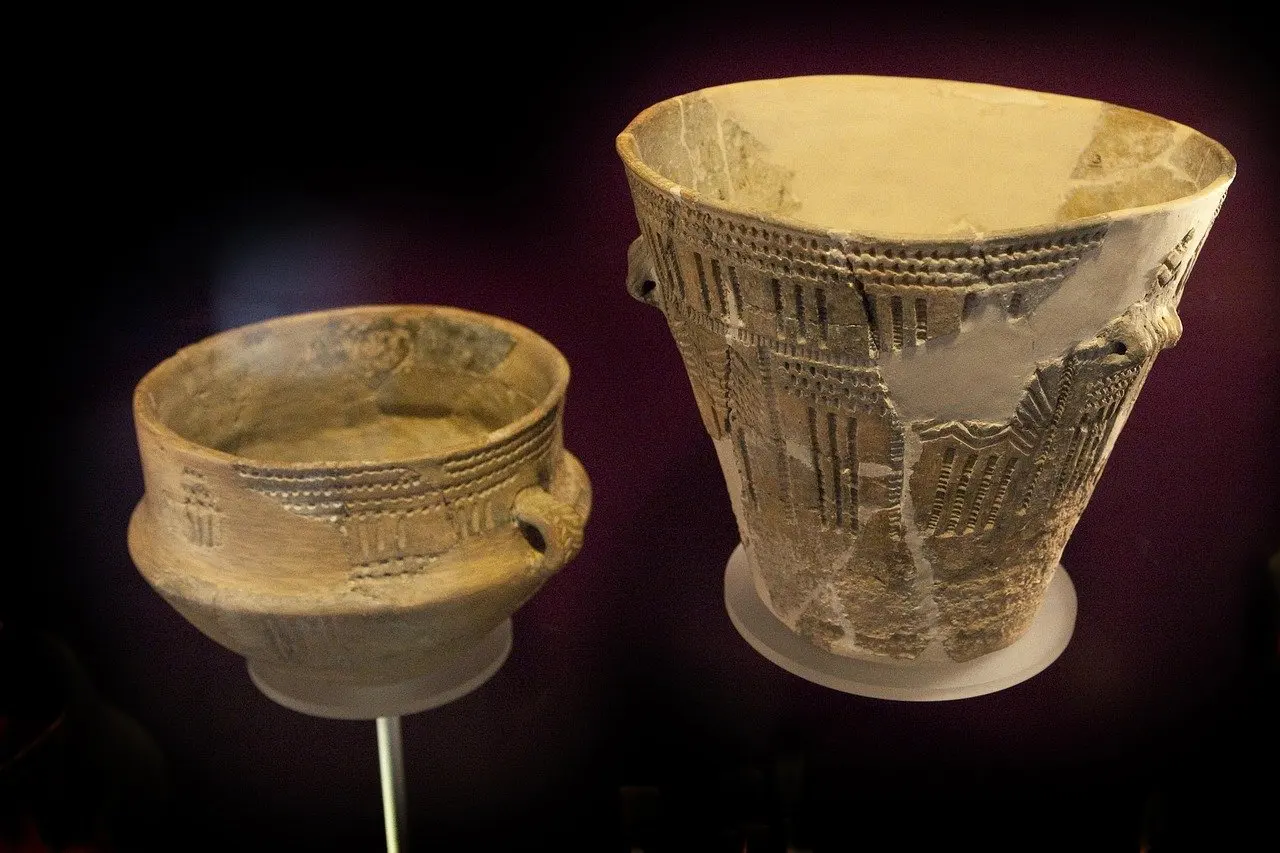
Funnel Beaker pottery gives the culture its name. The ceramics overview states that the culture got its name from the funnel-shaped pottery, and the German form Trichterbecher carries the same meaning. Archaeologists often label Neolithic cultures after their ceramics, as in the linear pottery culture, so the pot is the natural starting point for identifying this one.
Shapes
The encyclopedia entry describes large vessels with flared rims, and says these define the name. Smaller bowls appear across settlement layers. When looking at a vessel, check the flared rim first, since it is the defining feature, and treat smaller bowls as the everyday companions of the large funnel-necked forms.
Decoration
Surface decoration shows lines, dots and stamped marks. This is the combination to look for when comparing displays or catalogue photographs: a flared form with rows of impressed or incised ornament. Because pottery also appears among the grave goods in the tombs, the same vessel types connect the settlement record with the burial record.
Dating and range at a glance
Published dates for the culture differ slightly. One source places it between 4000 and 2800 BCE, while a ceramics overview gives 4,350 to 2,750 BCE. The safest summary is a range of roughly 4000 to 2800 BCE, with the wider span as a reminder that start and end dates are approximate.
| Attribute | Value | Planning use |
|---|---|---|
| Name origin | Funnel-shaped pottery (Trichterbecher) | Search catalogues under both English and German names. |
| Date range | About 4000 to 2800 BCE; wider estimate 4,350 to 2,750 BCE | Quote a range, not a single start year. |
| Regions | Denmark, southern Scandinavia, northern Germany, Poland, Netherlands | Expect regional variation in tombs and finds. |
| Economy | Wheat, barley, cattle, sheep, goats, pigs | Read tombs as part of a farming landscape. |
| Houses | Rectangular, timber posts, clay walls | Look to settlement layers for daily life. |
| Tombs | Dolmens and passage graves | Compare monument types region by region. |
| Successor | Corded Ware culture, about 2,900 to 2,500 BC | Overlap in the later dates is possible, so avoid sharp cut-offs. |
Figures drawn from the Archaeology Magazine encyclopedia and a ceramics-focused overview of Funnel Beaker design.
In geographic terms, the culture spread across northern Europe during the Neolithic. This is an area of lowland farming country rather than one modern country, and it crosses present-day borders, so searching only under Germany or only under Denmark gives a partial picture.
Regional research in Germany, Denmark and Poland
The 2009 conference in Borger, Netherlands, is a good entry point to current research because its proceedings gather work from several countries. In the published volume, German material appears in a chapter on the Hessian-Westphalian gallery graves and their connections to the Funnel Beaker culture, and in another on landscapes as social spaces in northern Germany. Danish material includes the causewayed enclosures and their settlement landscape at Sarup, Denmark.
These titles show two useful habits. First, tombs are studied together with enclosures and settlements, so a visit to a stone grave is only one part of the evidence. Second, the Westphalian chapter frames its gallery graves as possible neighbours of the culture, which is a reminder that archaeologists debate where one tradition ends and another begins.
What followed and how to read the evidence
The culture was succeeded in Europe by the corded ware culture, dated by the ceramics overview to about 2,900 to 2,500 BC. Because the later end of the Funnel Beaker range and the start of the Corded Ware range are close, treat the change as a transition between traditions, not an abrupt break.
Some questions remain open in the literature. The conference volume includes a chapter titled as a question about whether ‘open dolmens’ are a matter of decay. For readers, that is a caution: a dolmen as seen today, with exposed stones and a capstone, may not look as it did when first used.
The best approach for further reading is to combine the pottery, the tombs and the settlement evidence, and to prefer excavation publications such as the BAR volume for specific claims. General encyclopedia entries are useful for orientation, but regional chapters give the detail needed to compare Denmark, northern Germany, Poland and the Netherlands.
Frequently asked questions
What does Trichterbecher mean?
Trichterbecher is the German name for the culture and corresponds to Funnel Beaker. The 2009 conference volume abbreviates it as TRB.
What was placed in Funnel Beaker tombs?
Grave goods include pottery, stone tools and ornaments, alongside many individuals buried over long periods.
Which culture came after the Funnel Beaker culture?
Corded Ware people then replaced it across Europe, with one overview dating that shift to 2,900 to 2,500 BC.
Where can the research be read in detail?
The proceedings of the 2009 Borger conference, published as a BAR volume in 2013, cover tombs, burials, ritual deposits, pottery, settlements and recent megalithic excavations.