| Point | What is supported | Planning use |
|---|---|---|
| Place in the sequence | Follows the Urnfield and Hallstatt cultures | Treat La Tène as the later stage. Read about Hallstatt first if a find or label is unclear. |
| Classification | Part of the Iron Age; a subclass of Ancient Celts | Search museum catalogues under both Iron Age and Celtic headings. |
| Geography | Central, Western and Southern Europe | Do not limit reading or travel to one country. Expect regional differences in what survives and how it is displayed. |
| Research history | Bror Emil Hildebrand is listed as discoverer or inventor | Use his name as a search term when tracing how the label originated. |
These points are taken from the Wikimedia Commons entry for the La Tène culture category, which is a secondary, background-level source.
La Tene culture (properly La Tène) is an Iron Age culture of Central, Western and Southern Europe. It follows the Urnfield and Hallstatt cultures and belongs to the Ancient Celts. Its place in that sequence is the first thing to check when dating a find.
For the wider setting, the prehistoric Europe timeline shows where the Iron Age sits among the other periods and cultures. This article stays with La Tène itself: how to place it, how to tell it from Hallstatt, and how to plan a visit to Germany.
What the La Tène label means for dating and reading finds
The label tells a reader which stage of the Iron Age an object or site is assigned to. Because La Tène follows the Urnfield and Hallstatt cultures, a find described as La Tène is understood to belong after those earlier traditions, not alongside them. That single fact helps more than any detail of style when a museum caption or a local guide uses the term loosely.
Treating the sequence as a decision tool
The order Urnfield, Hallstatt, La Tène is the most useful frame for a beginner. If a caption mentions Hallstatt, the object is earlier in that order. If it mentions La Tène, it is later. When a source gives both names for one region, expect the text to describe a change over time, not two peoples living apart.
Why the Iron Age and Celtic labels both matter
La Tène is classed as part of the Iron Age and as a subclass of Ancient Celts. In practice this means two search routes lead to the same material. A catalogue organised by period will list it under the Iron Age, while an exhibition on Celtic peoples will present it as one of their cultures. This guide treats La Tène as a Late Iron Age culture within that wider period, and the iron age europe overview gives the surrounding picture.
One caution applies. A cultural label groups finds for study. It does not by itself prove that everyone who used such objects shared a language, a political body or a single identity. Read the label as a classification used by archaeologists, and expect a good exhibition to say what its evidence supports.
La Tène versus Hallstatt: a practical comparison
The clearest supported difference is chronological: La Tène follows Hallstatt. Both sit in the Iron Age sequence, and La Tène comes after the Urnfield and Hallstatt cultures. That makes the comparison a question of before and after, so a reader should not expect to choose between them as rival explanations of the same site.
The hallstatt culture article covers the earlier side in detail. Used together, the two pages let a reader move from the earlier culture to the later one without losing the thread.
- Check the order first. When a label names Hallstatt and La Tène together, read it as a sequence. This is the safest reading and the one the culture’s position after Hallstatt supports.
- Match the label to the display. A museum case labelled La Tène presents the later material. Ask whether neighbouring cases hold the earlier Hallstatt material, because seeing both in one visit makes the change easier to follow.
- Do not infer from one object. A single decorated piece cannot settle which culture a whole site belongs to. Rely on the excavation report or the museum’s own dating statement.
- Keep regional variation in mind. The culture spans Central, Western and Southern Europe, so a pattern seen in one region may not hold in another.
Where La Tène material is found
La Tène culture is listed for Central, Western and Southern Europe. That is a broad range, and it has a practical consequence: a reader in Germany is looking at one part of a much larger cultural area. Finds and sites in neighbouring countries can answer questions that German material leaves open, and the reverse is also true.
The culture takes its name from the type site at La Tène on Lake Neuchâtel in Switzerland. Bror Emil Hildebrand is listed as the discoverer or inventor of the culture as a concept. For a visitor, the type site and the German sites are best treated as different kinds of destination. The Swiss lakeshore is where the name comes from, while German sites are where the same culture can be studied in a local landscape.

A single trip rarely covers the whole area. Choose a region and a question first, then pick the sites and museums that suit it, rather than trying to see everything the label covers.

Planning a visit to La Tène sites in Germany
Germany suits visitors who want to see how La Tène material is presented locally. The most useful starting points are names that recur in discussion of German La Tène finds and oppida: Manching and Heidengraben for oppidum remains, and the Glauberg for its sandstone warrior statue. Confirm the current display, opening arrangements and any access conditions with the site or its museum before travelling, since these change and are not fixed by the culture’s classification.
Choosing between site types
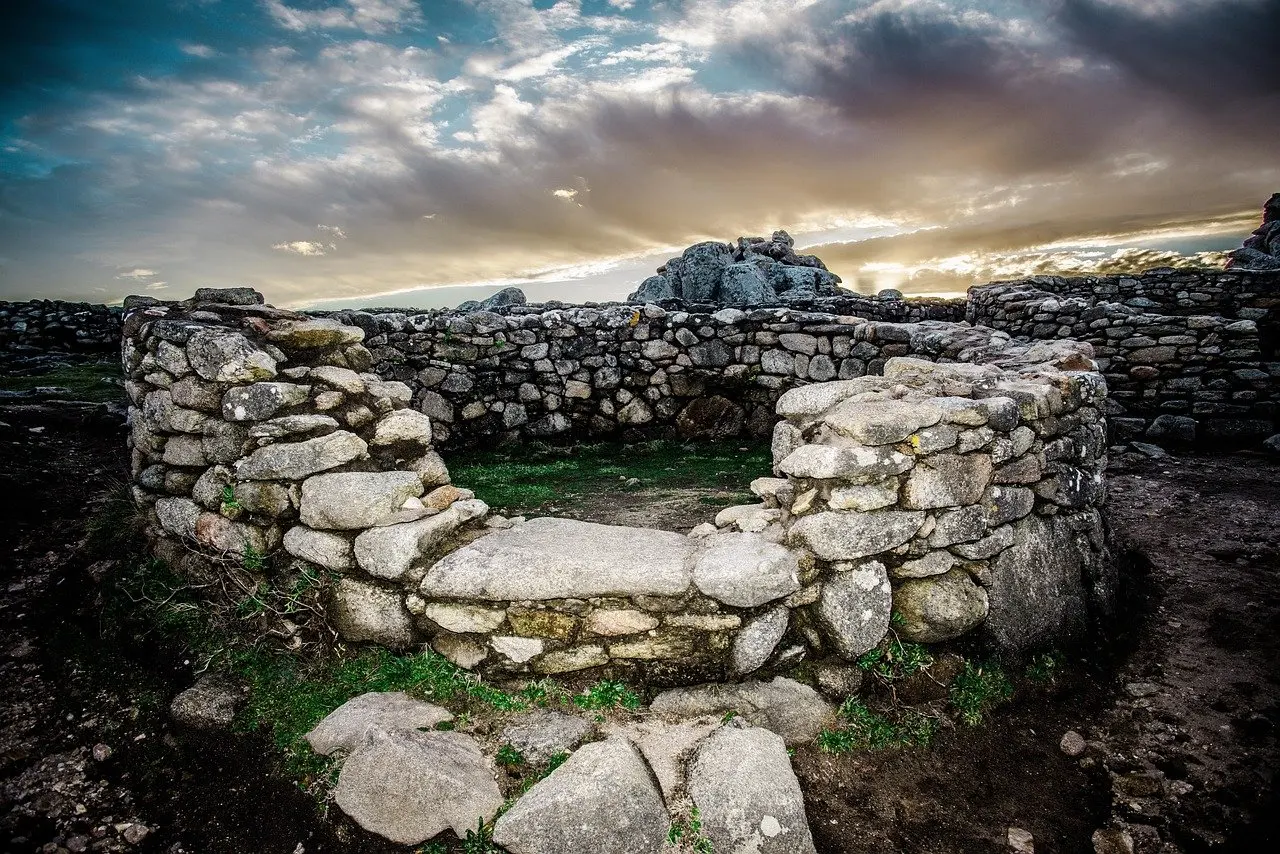
- Oppidum remains. Choose these if the aim is to see ramparts and the layout of an enclosed settlement. Expect earthworks and landscape, so allow for weather and terrain and wear suitable footwear.
- Museum collections. Choose these if the aim is to see metalwork, weapons and ornament up close. Museums can place La Tène objects beside earlier Hallstatt material, which supports the sequence described above.
- Sites with a prominent find. The Glauberg suits visitors who want one strong image to anchor a visit. A single statue, however striking, represents one find and not the whole culture, so pair it with broader reading.

Making the visit useful
Before going, read the culture’s place in the sequence so that captions make sense on the spot. Look for the dating statement on each label, and note whether an object is an original or a reconstruction. Where a site offers a guided tour or a printed guide from a heritage office, use it, because those texts reflect the excavation evidence for that particular place.
Reading sources and avoiding common mistakes
Heritage-office publications, museum collection pages, excavation reports and peer-reviewed journals are the strongest sources for any specific claim about a site or object. Background pages such as the Commons category help with orientation, but they are not a substitute for a site’s own documentation.
- Do not treat the culture as a single people. The Ancient Celts classification groups cultures, and La Tène is one of its subclasses.
- Do not flatten the sequence. Urnfield, Hallstatt and La Tène come in that order, and merging them loses the change that makes each label useful.
- Do not assume one region speaks for all. The culture spans Central, Western and Southern Europe, so check which region a claim comes from.
Frequently asked questions
How does La Tène differ from Hallstatt?
La Tène follows Hallstatt, which itself follows Urnfield in the sequence. The practical difference is that La Tène is the later stage, so labels and finds should be read in that order.
What period does La Tène belong to?
La Tène is classed as part of the Iron Age, and this guide treats it as a Late Iron Age culture. It is also a subclass of Ancient Celts.
Where was the La Tène culture located?
It is listed for Central, Western and Southern Europe, so Germany is only one part of its range.
Who is credited with discovering the La Tène culture?
Wikimedia Commons credits Bror Emil Hildebrand with the discovery or invention of this culture.