Quick answer: for archaeology exhibitions Germany offers a clear split by period. Munich suits Stone Age to medieval Bavaria, Frankfurt suits a city’s Paleolithic-to-early-modern story, and Herne suits modern-era objects.
The selection below runs from the earliest period covered to the latest and is not a ranking. For wider context on finds, talks and discoveries, see the guide to archaeology news Germany.
Choosing between permanent and special exhibitions
A museum exhibition is a curated display of objects with interpretation. The practical difference between a permanent collection and a special exhibition shows up in dates and tickets: permanent displays stay on show, while a special exhibition runs for a named period.

The LWL Archaeological Museum in Herne shows how this works. Its official special exhibition site lists a separate special exhibition ticket and a combined ticket for the permanent exhibition and the special exhibition. The adult combined price was €10.00, rising to €11.00 from 1 July 2024. Munich follows the same pattern. The MUSA museum guide lists the permanent exhibition “Archaeology of Bavaria” as showing from 16 April 2024, with a separate dated special exhibition alongside it.
- Choose the permanent display when you want the long-run story of a region or city. It is the safer choice when travel dates are fixed, because it does not depend on a run of dates.
- Choose a special exhibition when one topic matters more than breadth. Build the trip around its listed dates and confirm them shortly before travelling.
- Take the combined ticket where a museum offers one, as Herne does, if you want both the standing collection and the temporary show in a single visit.
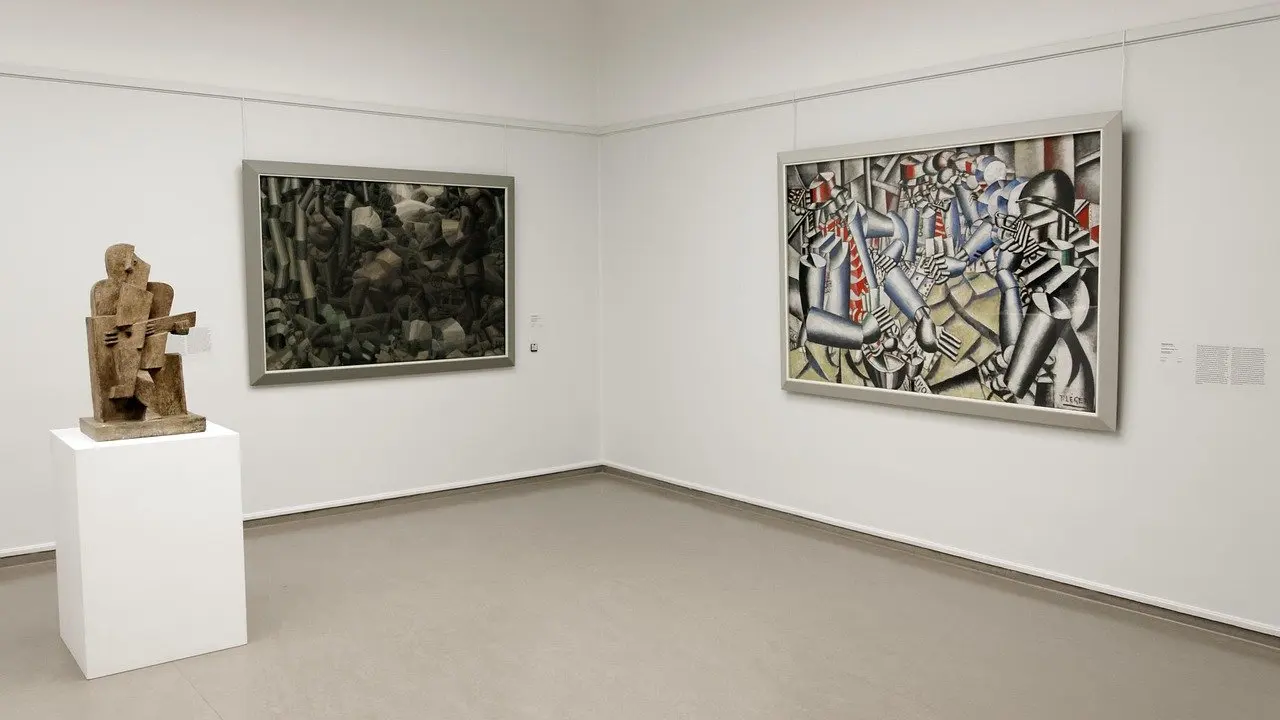
The shortlist uses three criteria: how much of prehistory or the earlier past the displays cover, whether hours and prices appear on an official or museum-guide page, and whether a special exhibition has dated listings. UNESCO notes that the number of museums worldwide grew from 22,000 in 1975 to 95,000. A short list by period is therefore more useful than a full directory.
Archaeology museums ordered by period
Each museum below answers a different question. Read the period first, then the practical details.
Bavarian State Archaeological Collection, Munich: Stone Age to medieval
The Bavarian State Archaeological Collection is the clearest example of a state archaeology museum in this selection, since its title marks it as the state collection for Bavaria. According to the MUSA guide, “Archaeology of Bavaria” fills two floors with more than 15,000 objects, running from the Stone Age to the medieval period. The listed price is €7.
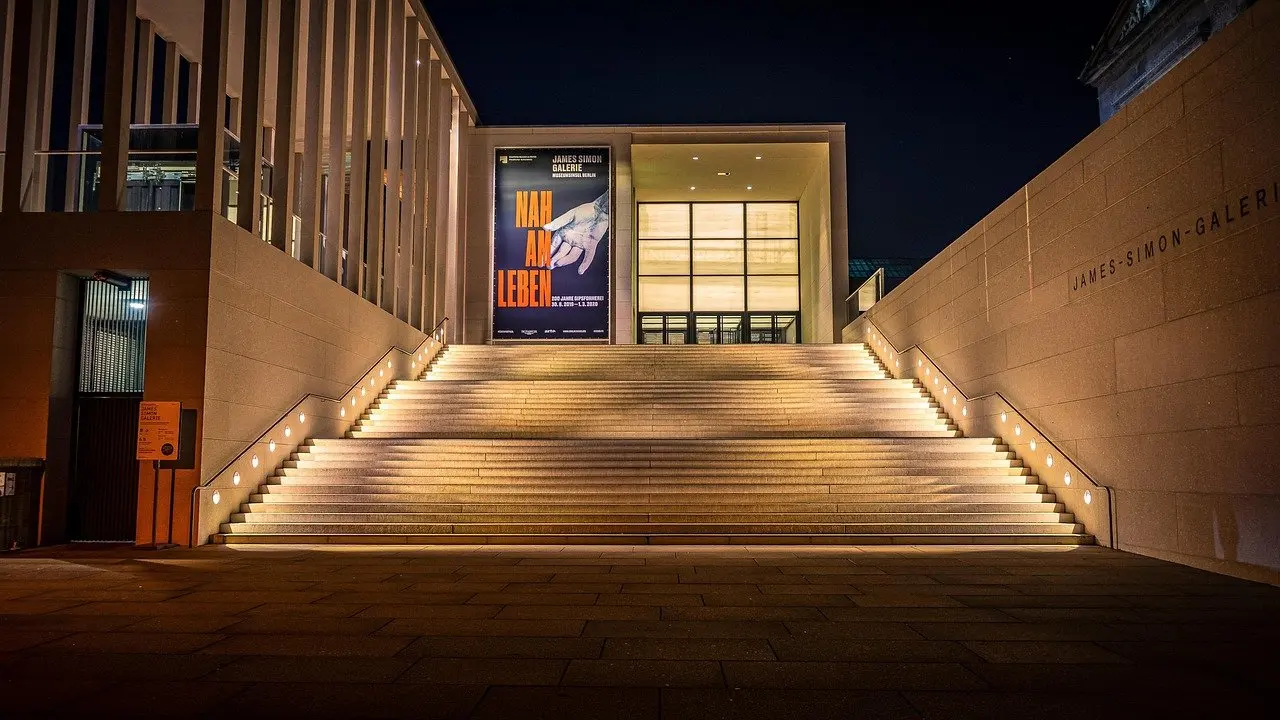
It suits visitors who want regional depth and a continuous sequence from prehistory onward. The limit is the Bavarian focus: it is a regional story, not a survey of Germany. Opening hours are not part of the guide listing, so check the collection’s own site before travelling. A Stonehenge special exhibition is listed here as well (see the table below).
Archäologisches Museum Frankfurt: a city’s Paleolithic-to-early-modern story
The Archäologisches Museum Frankfurt, at Karmelitergasse 1, 60311 Frankfurt, covers the history of the city from the Paleolithic period to the early modern era. The Museumsufer listing describes remains at the Imperial Palace site: a Roman bath, walls of the Carolingian royal court and late medieval cellars. Together they cover about 2,000 years of city history.
This is the better choice for urban archaeology, where the remains themselves are part of the story. Its prehistory content is tied to one city rather than a whole region. It is open Wednesday to Sunday from 10 am to 6 pm, with Wednesday running until 8 pm. It does not open on Monday or Tuesday, so plan around that.
LWL Archaeological Museum, Herne: the modern era
Herne takes archaeology out of prehistory altogether. Its special exhibition “Modern Times” ran from September 2023 to August 2024 and covered the period from the beginning of industrialization to the turn of the millennium, as the museum’s own site states. It used six categories to explore how modern people relate to their things: Innovation, Destruction, Extraordinary, Emotion, Purpose and Memory.
This suits visitors who find the recent past more engaging than the Stone Age. It is not the place to look for prehistory in that exhibition. The museum lists these opening hours:
- Monday: closed.
- Tuesday, Wednesday and Friday: 9.00 to 17.00.
- Thursday: 9.00 to 19.00.
- Saturday, Sunday and holidays: 11.00 to 18.00.
For the special exhibition, adults paid €7.00, adults in groups of at least 16 people paid €6.00 per person, and the reduced rate was €3.50. Because that exhibition has ended, treat these figures as a guide to how the museum structures tickets and confirm current rates on the museum’s site.
Special exhibitions compared
Special exhibitions are the time-sensitive part of a trip. The two dated listings in this selection differ sharply: one has finished and one is scheduled for a long run.
| Museum and city | Special exhibition | Dates | Focus | Planning use |
|---|---|---|---|---|
| LWL Archaeological Museum, Herne | Modern Times | Sep 2023 to Aug 2024 | Industrialization to the turn of the millennium | Past run. Useful as an example of a themed, object-led format and for the museum’s ticket structure. |
| Bavarian State Archaeological Collection, Munich | Stonehenge. Ancient Discoveries, New Mysteries | 18 Sep 2026 to 29 Aug 2027 | Stonehenge discoveries and open questions | Dated run. Set the travel date inside it and pair it with the permanent Bavarian display. |
Dates come from the Herne special exhibition site and the MUSA listing for the Bavarian State Archaeological Collection.
When a special exhibition has a fixed end date, confirm it on the museum’s page before booking travel. Where none is listed, as with Frankfurt, the permanent display is the reason to go.
Planning a visit
Start with the period you want, then check the practical details on the museum’s own page.
- Match period to place. Munich fits a Stone Age to medieval sequence, Frankfurt fits a city’s layered remains, and Herne fits the industrial and modern past.
- Treat listed prices as time-bound. Herne’s own page shows its combined ticket price changing during a single exhibition run, so confirm before you go.
- Add event-based archaeology. Events covered under tag der archäologie deutschland complement museum galleries with a different way of meeting the subject.
- Look at regional shows. For an exhibition focused on mining regions, see archäologie im revier ausstellung.
Frequently asked questions
Is admission free for children and young people?
The Archäologisches Museum Frankfurt lists free admission for children and young persons under 18. The LWL Archaeological Museum in Herne lists free admission for under 18s and school classes. For Munich, confirm the current rate on the collection’s official site.
When is the Herne museum closed over the holidays?
The museum states that it is closed on 24, 25 and 31 December and on 1 January, according to its official site. On other holidays it uses its Saturday and Sunday hours.
How large was the Herne special exhibition?
The museum describes 800 square metres of exhibition space. About 100 stories were told, each using one object as an example, according to the museum’s site.