| Starting point | What the evidence shows | Planning use |
|---|---|---|
| Touring museum exhibitions | An archaeology exhibition on Vietnam ran at the LWL Museum of Archaeology in Herne from 7 October 2016 to 26 February 2017 and drew more than 50,000 visitors. It then ran at the State Museum of Archaeology in Chemnitz through 20 August 2017, and in Baden-Württemberg from 16 September 2017 to 7 January 2018. | Treat exhibition dates as short windows that move from venue to venue. Confirm them on the museum’s own page before travelling. |
| Institute research briefings | The German Archaeological Institute (DAI) presented its latest research in Berlin in May 2019, marking its 190th anniversary. | Use such briefings to see the range of current projects, but check where each project is located. |
| Field methods in the news | Drone surveys of Bronze Age and Neolithic tell sites in southern Hungary feed 3D models of the surrounding landscape. | Prefer news items that name a method, because they teach more than a bare headline. |
| Dating statements | Textiles from west China are described as worn between 3,000 and 1,000 years ago, preserved by a dry climate. | Read a date as a range, and note the burial conditions that allowed the material to survive. |
The figures above come from a Vietnamese news report on the exhibition tour and a Deutsche Welle report on the DAI’s 190th anniversary.
Archaeology news Germany readers get the most from pairing each headline with its method: where a find came from, how it was dated, and where a talk or exhibition lets the public see more.
This guide is a map for students and curious readers. It sorts the news into finds, dating, exhibitions, lectures, methods and visit-worthy sites, and it points to the detailed guides on each.
Where to start
The right entry point depends on what the reader wants to do with the news: follow new finds, meet archaeologists, see objects, or learn how the conclusions are reached. A reader short on time should pick one route and follow it for a few weeks before widening out.
- To follow new finds: begin with the archaeological find of the month germany guide. A single highlighted find per month is easier to read closely than a stream of headlines.
- To meet archaeologists in person: open-door and public-event formats suit readers who learn by watching work happen. The guide to tag der archäologie deutschland covers that route.
- To see objects: go to the exhibitions section below. Exhibitions suit readers who want context and display rather than raw reports.
- To hear arguments tested: go to the lectures section. Talks suit students who want to hear how a conclusion is defended.
- To understand methods: go to the sections on reporting, dating and landscape methods. They suit anyone who wants to judge a claim rather than just repeat it.
Readers who are comfortable with German can search on the German anchor terms used in the guides, since museum and event pages are usually published in German first. The next section explains what a news item actually contains and how to read it.
Reading archaeological news
A good archaeology news item names a place, an object or feature, a method and a date range. When one of those is missing, the item is a prompt for further reading, not a conclusion.
News about Germany and news from German institutions
These are not the same thing. The DAI’s anniversary briefing in Berlin shows why: Deutsche Welle reported projects that include 50 years of excavation on Elephantine in Egypt by the institute’s Cairo office with Swiss partners, drone work at tell sites in southern Hungary, research on the Colosseum’s animal lifts by the Rome branch, and textile finds from west China. A German institution produced the research, yet none of the sites is in Germany.
For a reader who wants finds from German soil, this changes how to search. Look for state museum pages, regional exhibitions and monthly find reports, and treat institute briefings as a view of German research capacity worldwide. For a student choosing a topic, the distinction also opens options: German-based training can lead to fieldwork far from home.
Monthly find reports versus anniversary-style roundups
A roundup such as the DAI briefing gives breadth: many projects, one sitting. A monthly find report gives depth: one object or site and the reasoning around it. Roundups suit readers choosing a specialism. Monthly reports suit readers who want to practise reading evidence, because the same questions can be asked each time: what was found, in what material, and how was it dated.
The Elephantine finds illustrate why the material matters. They are described as clay, pottery, bone, stone and organic materials, which already tells the reader that several specialists, not one, handle such a site. A report that lists only the headline object hides that teamwork.
How finds are reported and dated
Finds reach the public through excavation records, museum displays and institute briefings, and each stage adds interpretation. Recording happens first, at the trench, and dating claims arrive later.
Recording at the trench
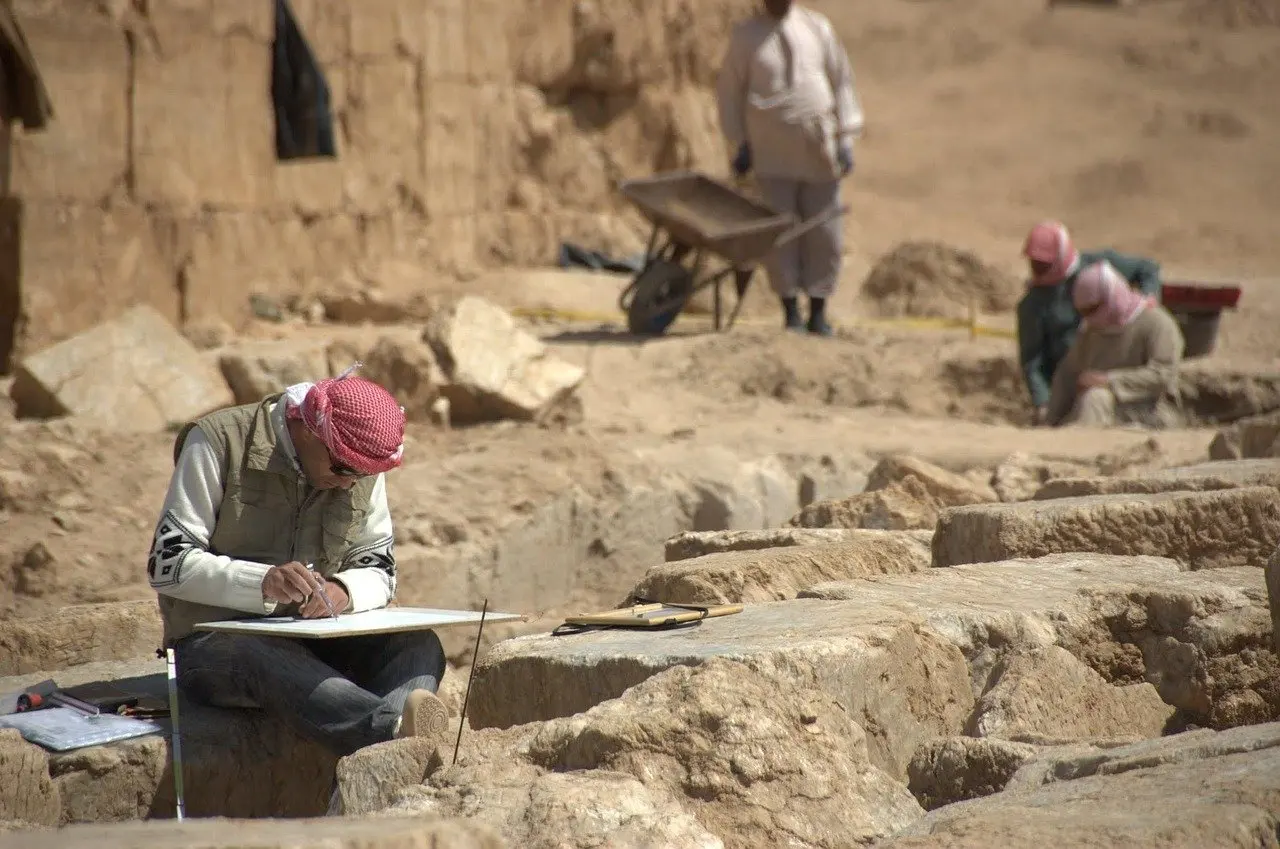
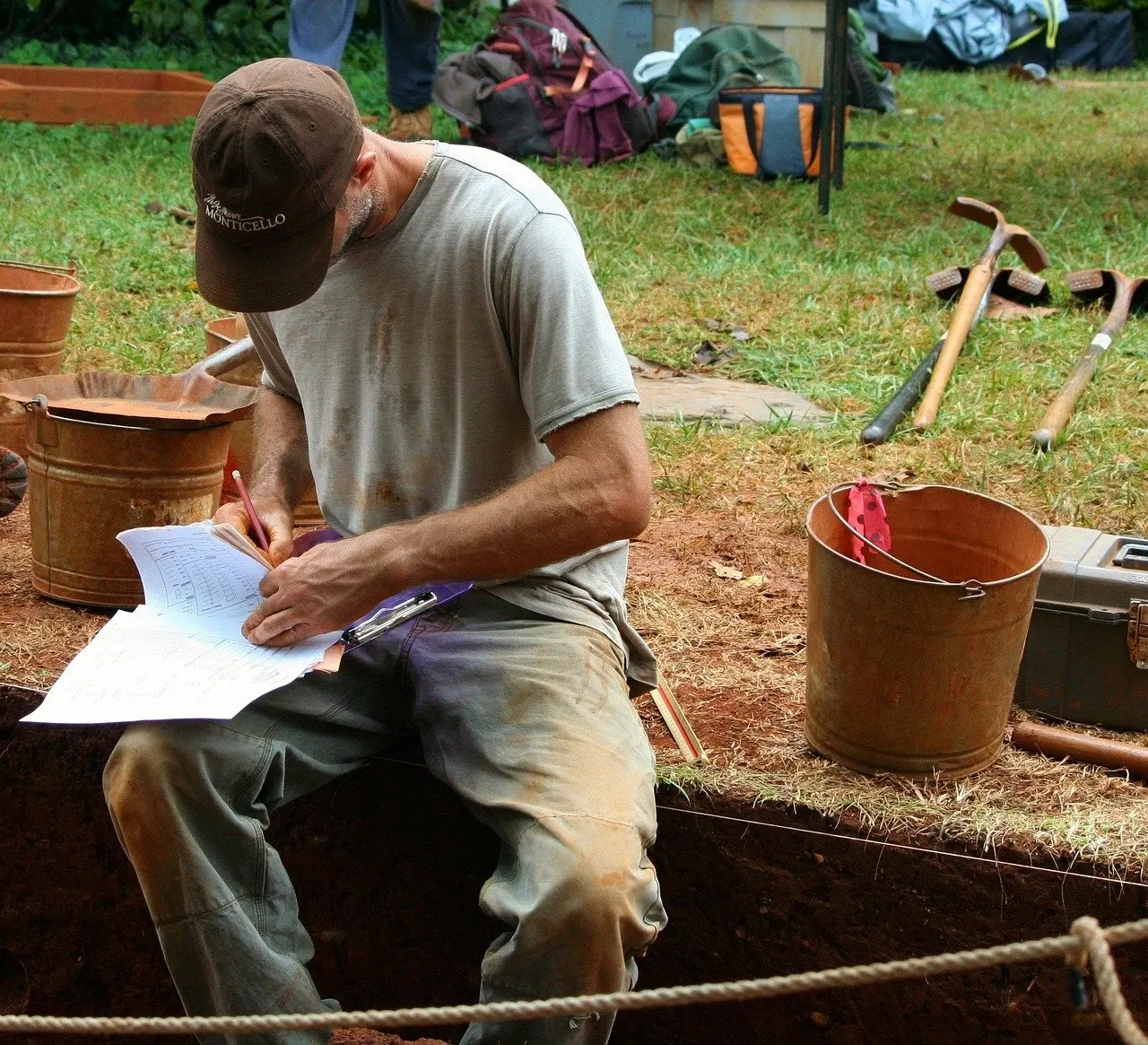
Fieldwork produces notes, drawings and sample records before any news item exists. That is why the best reports describe a find’s position and context, not only the object. A reader comparing two reports should favour the one that says where in the site the object lay and what was found around it.
Reading a dating range
Dates in news are most useful as ranges with a stated meaning. The west China textiles are described as items worn between 3,000 and 1,000 years ago, according to the same Deutsche Welle report. The wording attaches the range to when the items were worn, which is a statement about use, not about when anyone dug them up or studied them.
The range is also wide. A reader should not compress it into a single year when summarising the find. A sound rule for students is to quote the range as given and to say what it refers to, whether use, burial or production.
Why preservation conditions belong in the story
The textiles survived because a dry climate helped preservation. That detail explains why organic material appears at all, and it warns against comparing the find with sites where such material rarely survives. When a report says organic remains were found, ask what kept them intact. The answer is often as informative as the date, and it connects directly to the landscape methods covered further down.
Archaeology exhibitions
Exhibitions are the easiest way to see finds, but they are temporary and often travel. A dated example shows the pattern, and a regional guide shows where to look for what is on now.
How a touring exhibition moves
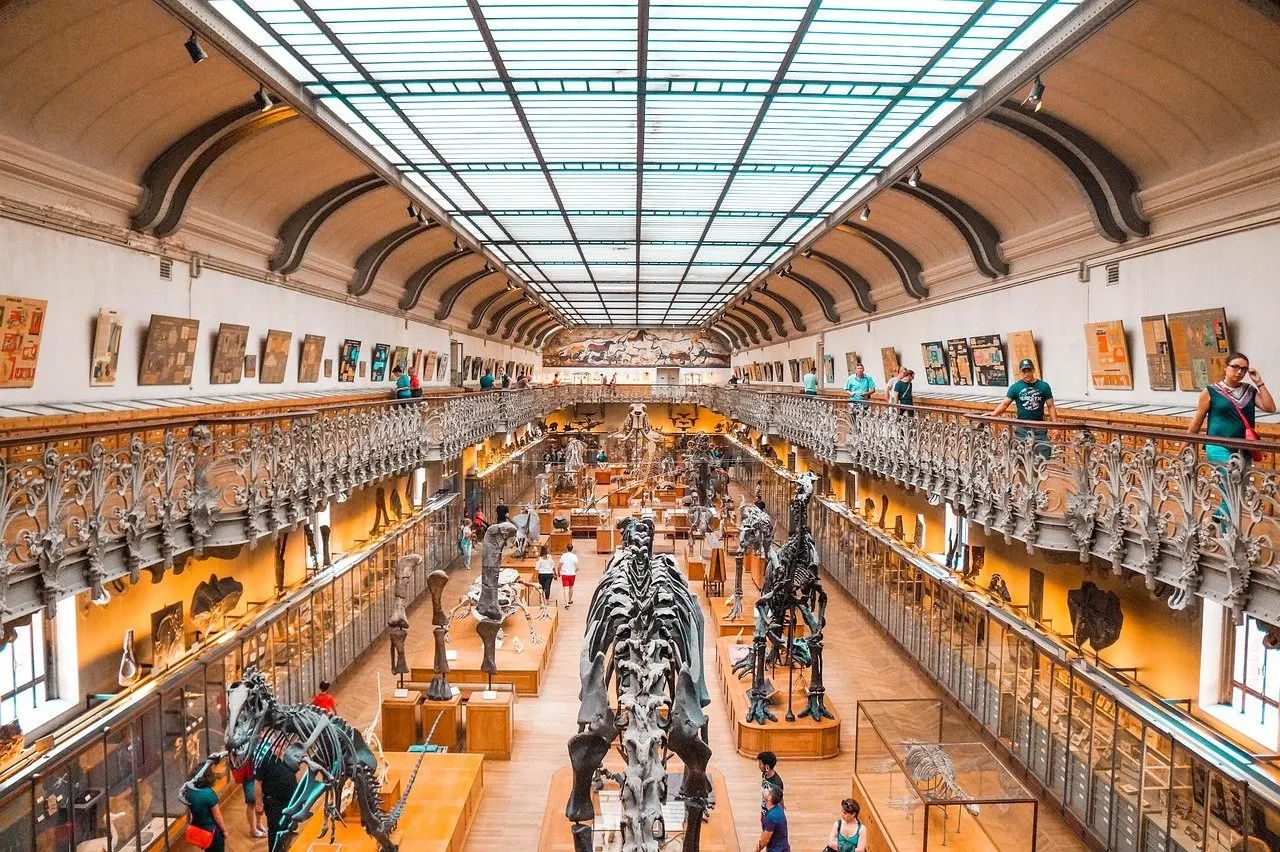
The Vietnam archaeology exhibition reported by VOV is a useful template. It opened at the LWL Museum of Archaeology in Herne on 7 October 2016, closed there on 26 February 2017 after more than 50,000 visitors, and then moved to the State Museum of Archaeology in Chemnitz, where it ran through 20 August 2017. A further leg in Baden-Württemberg ran from 16 September 2017 to 7 January 2018. The Chemnitz display was reported as about 400 artefacts sorted into three categories.
Three practical lessons follow. Exhibitions can run for months at one venue and then vanish, so planning ahead matters. The same show can be staged differently at each stop, so a visit in one city does not guarantee the same selection as a visit in another. Visitor figures for one venue tell a student little about the show elsewhere. These dates are historic, so they illustrate the pattern and are not a visiting schedule.
Finding what is on now
For a current overview, the guide to archaeology exhibitions germany is the place to begin, and the museum’s own event page should settle opening dates before any trip. Choose a permanent collection when travel is fixed and dates are tight. Choose a temporary exhibition only when its dates can be confirmed.
Regional and thematic shows
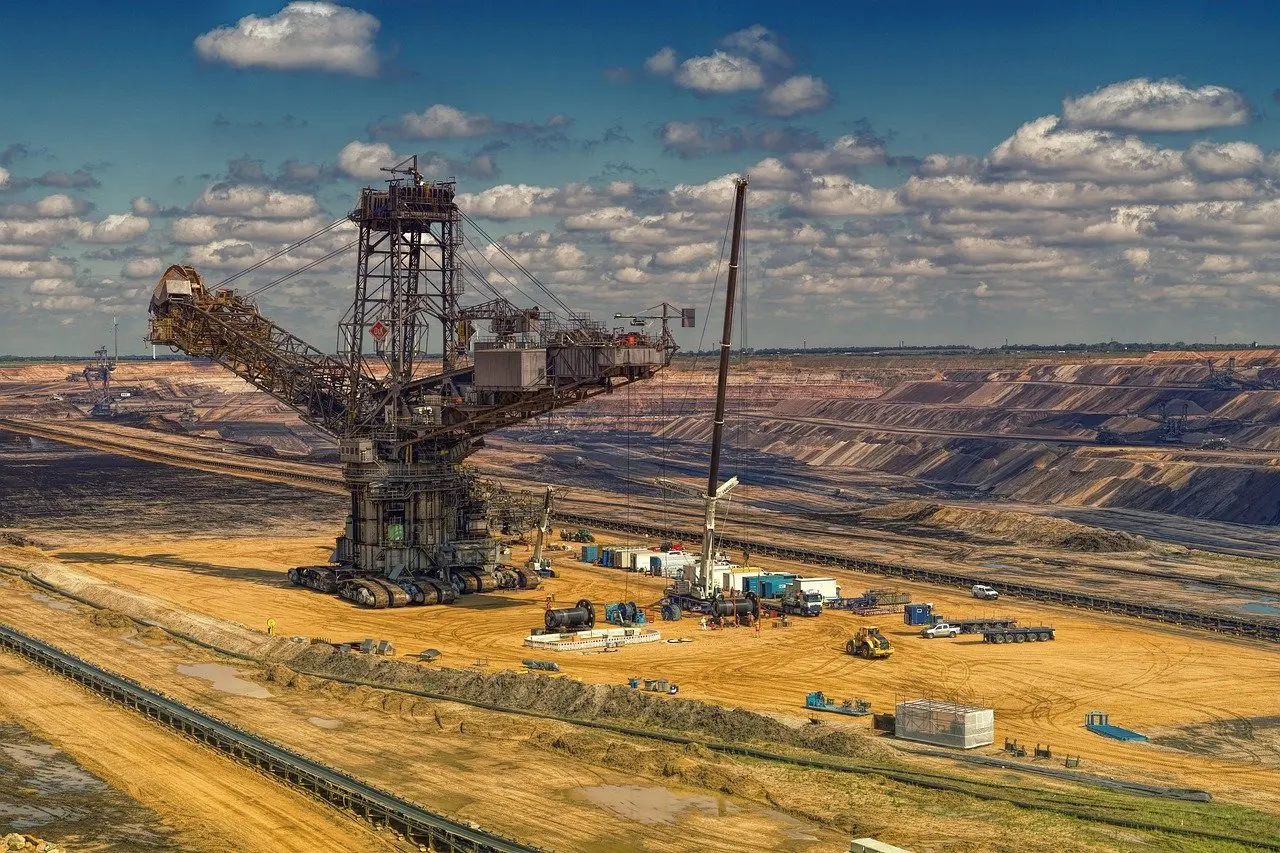
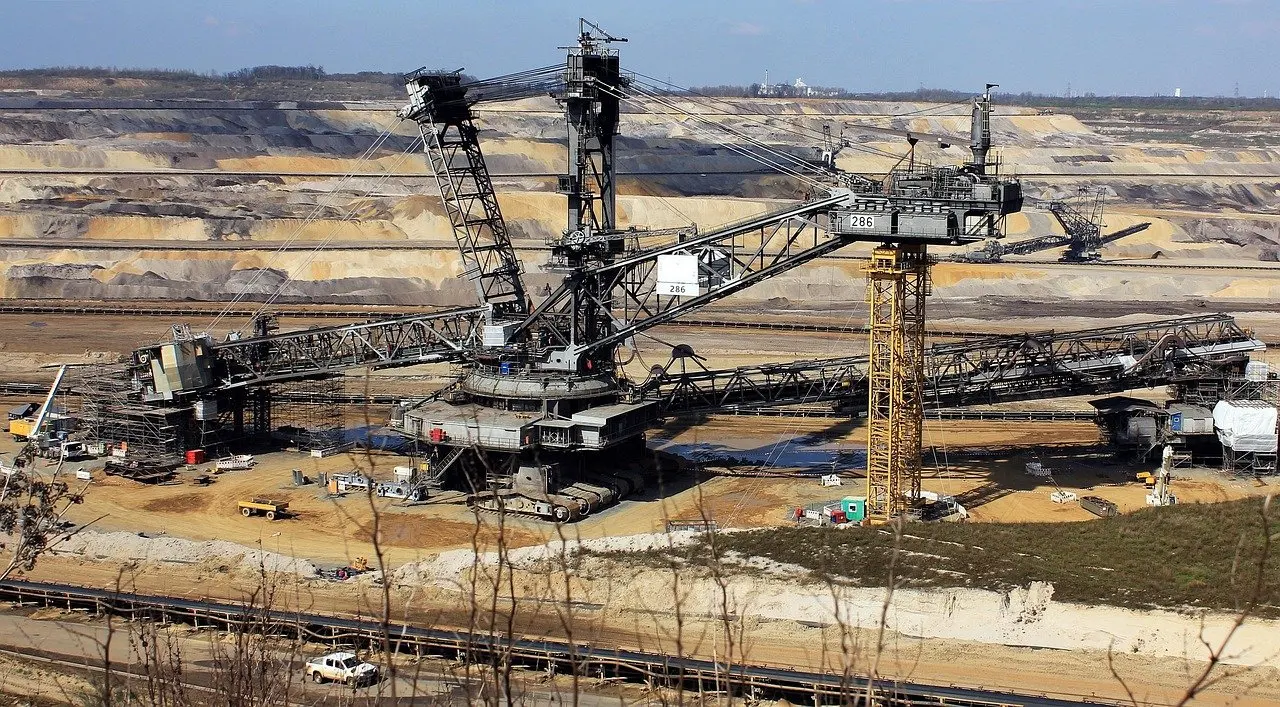
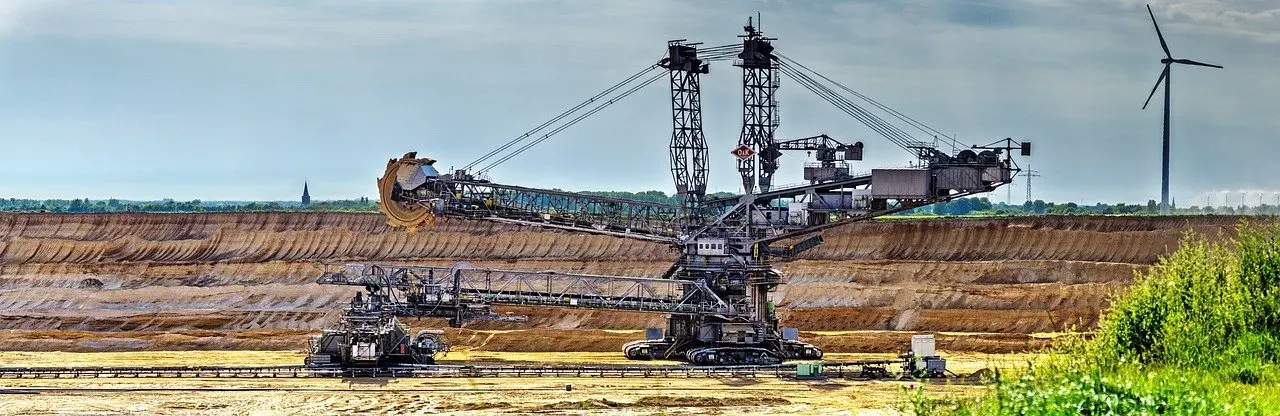
Some exhibitions are best approached by theme or region rather than by museum. The archäologie im revier ausstellung guide covers the mining-region theme, where archaeology and large-scale landscape change meet. Readers with an interest in late antiquity can turn to das königreich der vandalen ausstellung, which pairs an exhibition with the research behind it. For the symbolic and ritual side of prehistory, the guide to masken der vorzeit europa is the relevant stop. Medieval material from one federal state is gathered in mittelalter archäologie sachsen-anhalt ausstellung.
A reader with limited time should pick the theme that matches a course or a planned trip and skip the rest. Exhibitions reward focus more than breadth, and the lecture programmes described next add the argument behind the displays.
Lectures, talks and conferences
Lectures turn finds into arguments, which makes them the most direct way to learn how archaeologists defend a conclusion. They come in several formats that suit different readers.
Public lecture series
Public series are aimed at a general audience, so they suit readers who are new to a period or region and want a clear overview without prior reading. The guide to archäologie vortragsreihe deutschland collects these formats. Begin here if the goal is to check whether the subject holds long-term interest before committing to a degree.
University programmes
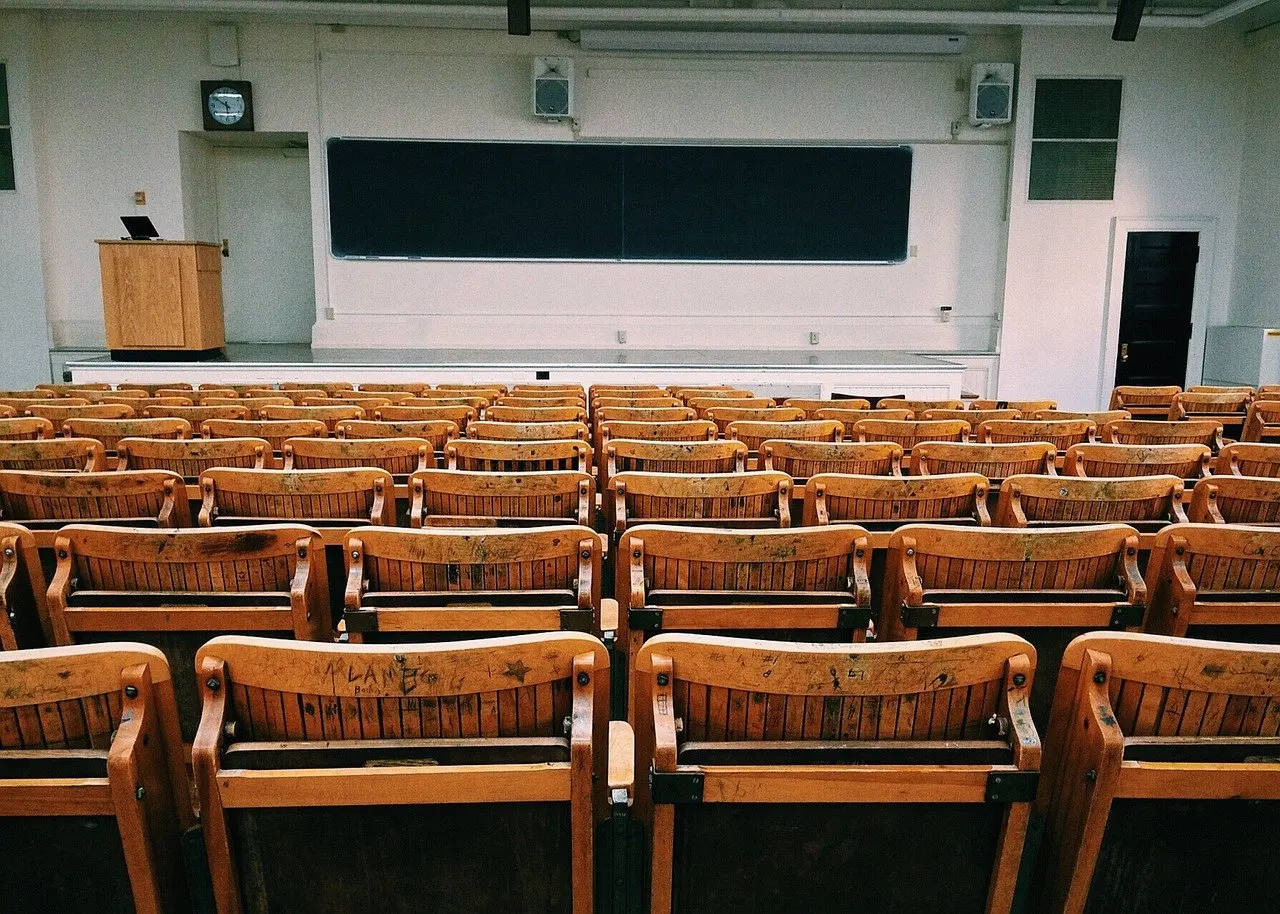
University lecture programmes assume more background and are better for students who already know the basic vocabulary. A cycle of talks on one theme, often called a Ringvorlesung, lets a student hear several specialists on the same question in sequence. The guide to archäologie ringvorlesung universität explains how those programmes are organised. They suit enrolled students and also visitors who check the department’s rules for outside attendance first.
Local series
A local series can be the better choice when a reader lives nearby and prefers a regular, small-scale setting. The osterwiecker vortragsreihe archäologie page covers one such series. Local formats usually make it easier to ask questions, which matters for readers who learn by discussion rather than by note-taking.
Conferences
Conferences are the most specialised format. They suit advanced students and researchers who want to hear unfinished work. The guide to archaeology conferences germany helps decide whether a conference is worth the travel or whether a public talk will serve better. The DAI’s Berlin briefing in May 2019, reported by Deutsche Welle, shows that institutions also use public presentations to summarise research for non-specialists.
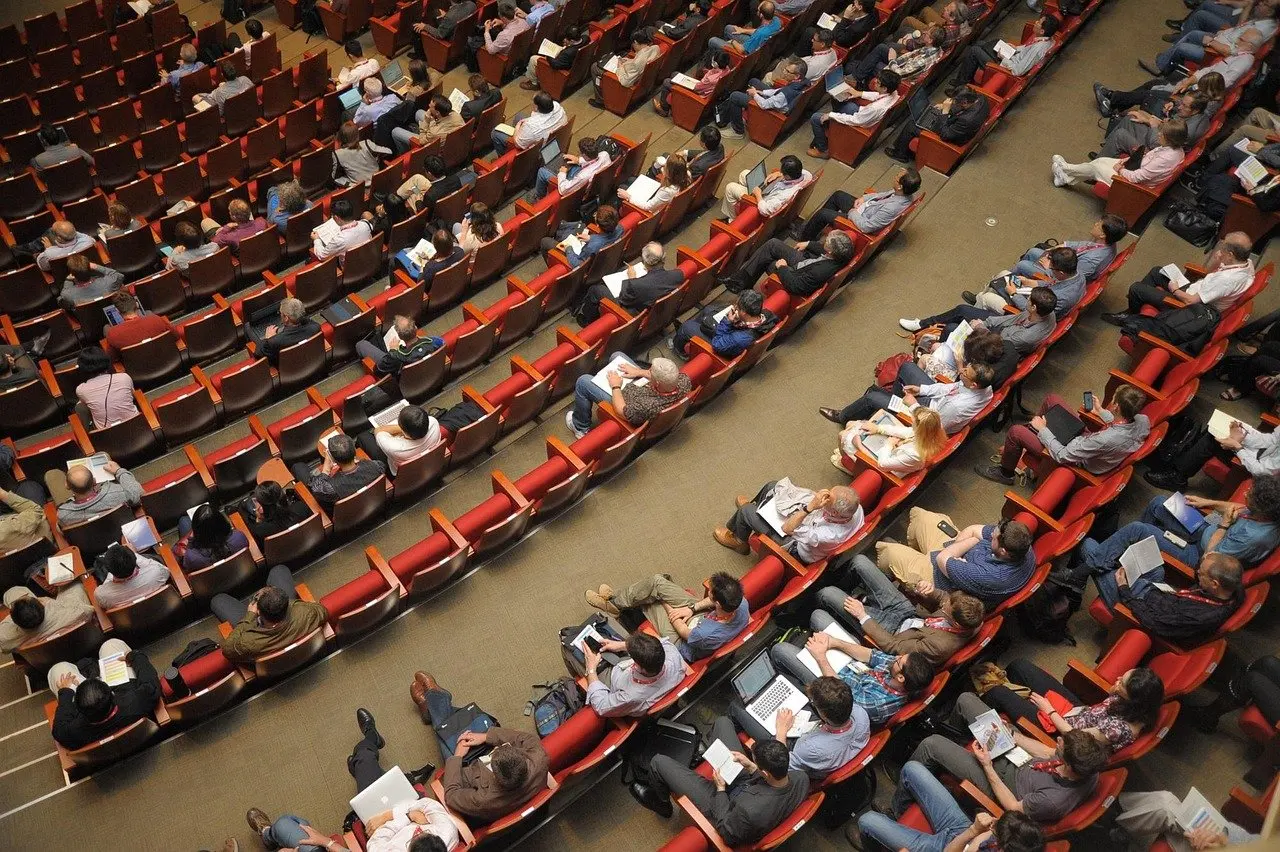
Whatever the format, confirm the date, the language and any registration rule on the organiser’s page. Talks change more often than exhibitions, so a saved link is not a booking.
Methods behind the news
Methods are the part of the news that lasts longest. A find is reported once, while a method keeps being used, so students gain more from learning methods than from memorising headlines.
Landscape and environmental evidence
Environmental archaeology looks at the setting of a site as well as its objects. The drone survey of Bronze Age and Neolithic tell sites in southern Hungary shows the idea: according to Deutsche Welle, the data help archaeologists make 3D models to understand the landscape around mounds formed when settlements were built on top of one another over years. The same report notes that dry climate helped preserve the west China textiles, which links preservation to environment.
Readers who want that approach in a German context can follow the guide to umweltarchäologie. It suits students deciding whether a science-leaning specialism fits them better than a classics- or history-led one.
Wood and organic material
Organic finds are rare and informative, which is why preservation conditions get attention in reports. Wood is a case where a find and a dating method are closely linked. The guide to holz archäologie funde covers wood finds together with tree-ring dating. It is the right next step for readers who want to see how a method turns an object into a date.
Digital records
Digital mapping is now part of public archaeology. The DAI has digitised maps and other information to show how Palmyra changed over time and made the data publicly available online, as Deutsche Welle reported. For a student, open data of that kind is a practical way to practise reading a site without travelling.
Student routes into archaeology in Germany
Students can get involved at three levels: listening, using data and doing fieldwork. The choice depends on how much time and prior knowledge the student has.
Listening first
Public talks and open event days are the lowest-cost entry. They need no prior study and show quickly whether the subject suits the reader. After a few sessions, a student can say which period or method deserves deeper study, which makes a later course choice better informed.
Working with open data
Digitised site data, such as the Palmyra maps, allow students to practise interpretation from a desk. The DAI also works with students in Lebanon to transfer information to the region, so data projects can involve students directly. Readers who wish to take part should look for similar projects at their own department or heritage office and ask what skills are needed.
Learning to survey
Fieldwork rests on measurement, and surveying is usually among the first practical skills. Recording positions precisely is what makes a find useful later, for the reasons given in the section on recording. A student who can use survey equipment is easier to place on a project than one who has only read about it.
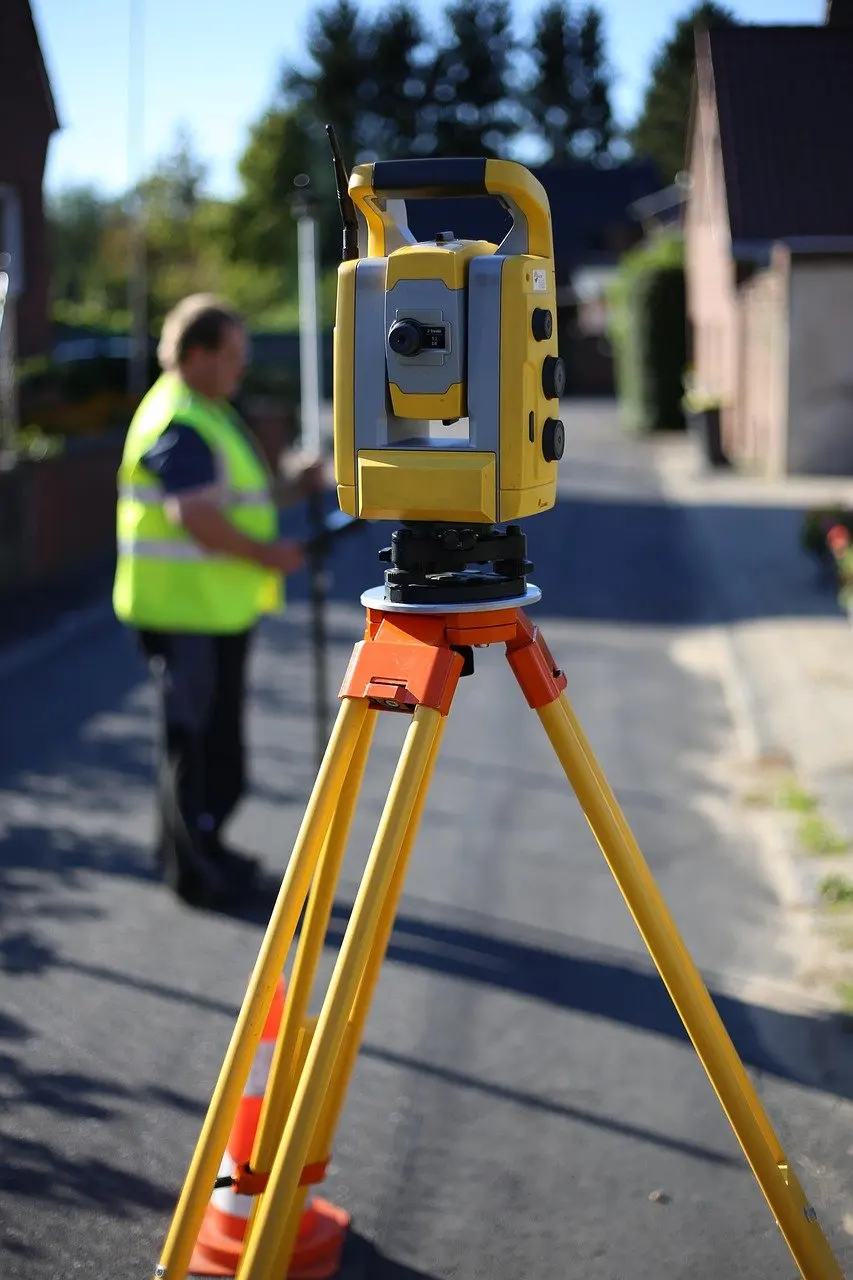
The practical order is clear: listen, then work with data, then apply for fieldwork. Skipping the first two steps tends to lead to a poor match between interest and project.
Sites worth a visit in central Germany
Some historic sites combine archaeology with religious and biographical history, and they suit readers who prefer to see a place rather than attend a talk. Two guides cover such destinations.
- Monastic archaeology: zisterzienserkloster archäologie deutschland covers Cistercian monasteries including Helfta. It suits readers who like building remains and the archaeology of religious communities.
- Reformation-era places: luthers elternhaus mansfeld covers Luther sites in Mansfeld Land. It suits readers who want archaeology tied to a well-known historical figure.
Check opening arrangements with each site before travelling, and pair a site visit with a nearby museum when possible, so the display and the place can be read together.
Frequently asked questions
What are the latest archaeological discoveries in Germany?
The newest items change from month to month, so a dated monthly report is more reliable than any fixed list. Institute briefings, such as the DAI’s Berlin presentation in May 2019, also show that much German-led research takes place outside Germany, in Egypt, Hungary and elsewhere.
Which German museums run current archaeology exhibitions?
Examples from the Vietnam tour include the LWL Museum of Archaeology in Herne and the State Museum of Archaeology in Chemnitz. That tour has ended, so check each museum’s own page for what is on now.
How are finds dated in news reports?
Reports usually state a range and say what it refers to, such as items worn between 3,000 and 1,000 years ago. Preservation conditions, like a dry climate, are part of the explanation for why organic material survives.
How can students get involved in archaeology in Germany?
Start with public talks and open events, move on to open digital data, and then look for fieldwork that teaches surveying. Departments and heritage offices can say what each project requires.